Flat Foot Treatment in Chennai Support the Arch. Reduce Foot Pain. Walk More Comfortably.
Flat foot, also called fallen arches or pes planus, means the inner arch of the foot is low or touches the ground. It can cause foot pain, heel pain, ankle pain, tired legs, shoe wear problems and difficulty walking long distances. Dr. Soma Sundar S offers diagnosis-first care with footwear advice, insoles, physiotherapy, braces and surgery only for clearly selected progressive cases.
 15+ Years of Experience
Dr. Soma Sundar S
Spine & Orthopaedic Surgeon, Chennai
Kauvery Hospital, Alwarpet
Mon–Sat · 8:30 AM – 5:30 PM Get DirectionsShens Hospital, Ashok Nagar
Mon–Sat · 6:00 PM – 8:30 PM Get DirectionsWhat Is Flat Foot?
Flat foot means the inner arch of the foot is low, reduced or touches the ground when standing. Some people have painless flexible flat feet, while others develop arch pain, heel pain, ankle pain or tired feet after walking or standing.
The important question is not just whether the arch looks flat. The key is whether the flat foot is flexible or rigid, whether it is worsening, and whether the tendon that supports the arch is working properly.
Most painful flat feet improve with the right footwear, custom arch support, physiotherapy and load correction. Progressive one-sided flat foot, swelling on the inner ankle or increasing deformity needs a careful orthopaedic assessment.
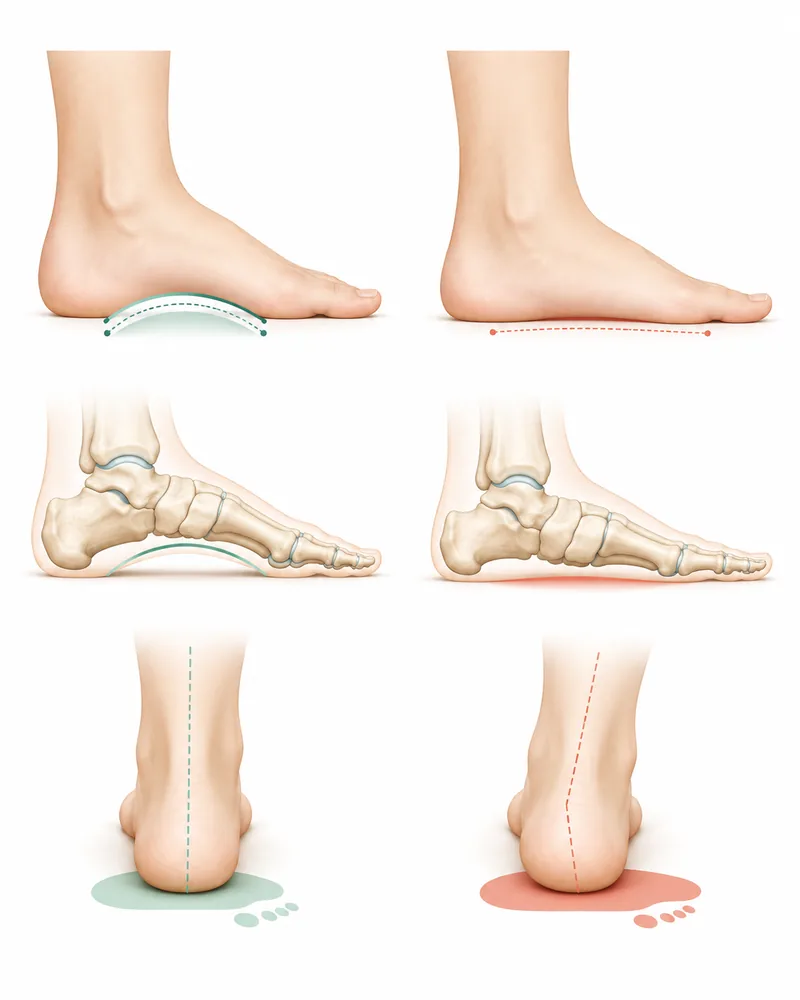
Flat foot becomes important when the low arch causes pain, fatigue, instability or progressive change in walking.
Common Causes of Flat Foot
Flat foot can be present from childhood or develop later in adulthood. The treatment depends on the cause, flexibility and pain pattern.
Flexible Flat Foot
The arch appears while sitting or standing on toes but flattens while standing or walking.
🎯Arch Support Failure
The structures supporting the arch can weaken, causing pain along the inner foot or ankle.
🦵Ankle Alignment Problems
Flat foot can tilt the heel outward and overload the ankle, causing pain or instability.
🔥Heel Pain Overlap
Flat feet can strain the plantar fascia and contribute to heel pain during walking.
⚡Previous Injury
Ankle sprains, tendon injuries or fractures can change foot mechanics and reduce arch support.
🤸Weak Foot Muscles
Weak intrinsic foot muscles and calf tightness can worsen pain and walking fatigue.
🩺Diabetes & Foot Sensation
People with diabetes need extra care because altered pressure points can cause shoe-related problems.
👟Footwear & Standing Load
Unsupportive shoes, prolonged standing and excess load can increase symptoms from flat feet.
Arch shape
The arch may flatten during standing, walking or long periods of load.
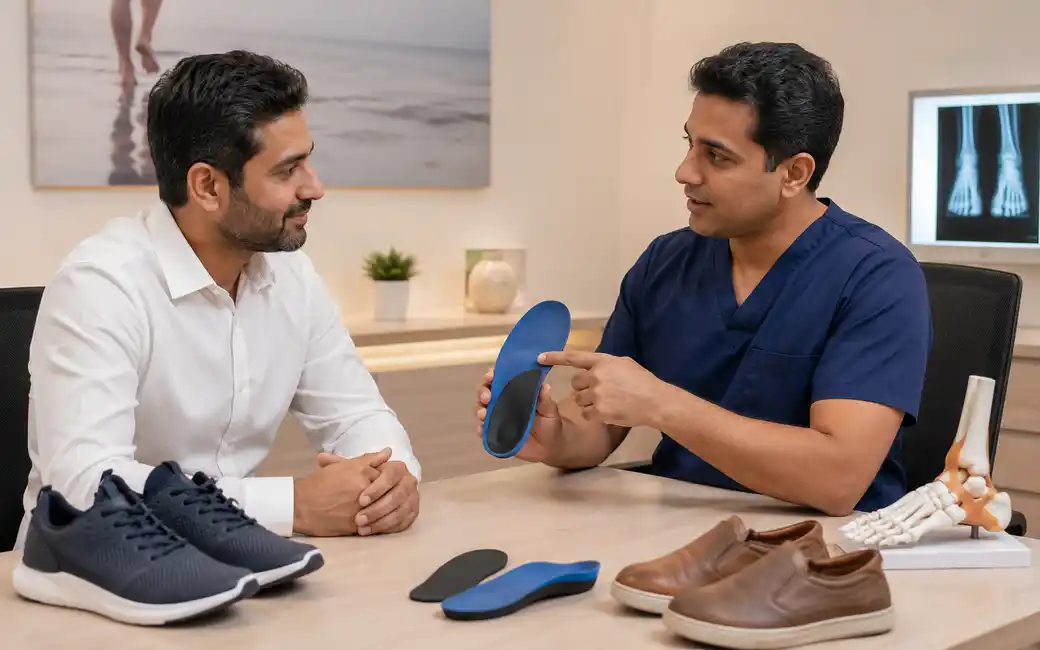
Insole support
Good footwear and arch support can reduce strain and improve walking comfort.

Pain location
Flat foot can cause pain in the arch, heel, inner ankle or outer foot depending on mechanics.
Symptoms of Flat Foot
Flat foot symptoms can be mild and activity-related, or progressive with visible change in foot shape. See which pattern matches yours.
Arch Pain
Pain or pulling under the inner arch may worsen after long standing or walking.
Common patternHeel Pain
Flat foot can overload the plantar fascia and contribute to heel pain.
Heel overlapInner Ankle Pain
Pain or swelling along the inner ankle may suggest tendon overload supporting the arch.
Priority reviewTired Feet While Walking
Fatigue, heaviness or reduced walking distance can occur when the arch is unsupported.
Load relatedInstability or Recurrent Sprains
Flat foot can alter ankle alignment and increase the feeling of giving way.
Mechanics issueShoe Wear or Pressure Points
Uneven shoe wear, rubbing or pressure marks are important, especially in diabetic patients.
Footwear clueWhen to See an Orthopaedic Specialist for Flat Foot
Painless flexible flat feet often need only reassurance and support. Painful, progressive or one-sided flat foot needs a proper assessment.
Arch or heel pain affecting walking
Swelling or pain along the inner ankle
Increasing difficulty walking or standing
One foot becoming flatter than the other
Shoe pressure marks or uneven shoe wear
Diabetes, numbness or skin pressure areas
Progressive flat foot needs early review
A flat foot that is painful, one-sided, worsening or associated with inner ankle swelling should be assessed early. The right support can prevent worsening and improve walking comfort. 📞 Call +91 90809 68066 for a priority appointment.
Why Chennai Trusts Dr. Soma Sundar
Experienced hands, international training, and a philosophy that always starts with the least invasive treatment that can genuinely help you. View doctor profile.

15+ Years of Experience
Over fifteen years dedicated to spine and orthopaedic care, from everyday back pain to complex spinal conditions.
Internationally Trained
Fellowship training in Germany, Switzerland and the UK — FESS, FMISS, FAOS and the AO Spine Fellowship.
4.9 · 500+ Google Reviews
Consistently rated 4.9 by more than five hundred patients across both Chennai clinics.
FRCS & Gold Medallist
FRCS (Glasgow, UK) certified, MS Orthopaedics Gold Medallist, DNB and MNAMS qualified.
Non-Surgical First
Advanced pain management, injections and physiotherapy are always explored before surgery is considered.
Two Chennai Locations
Kauvery Hospital, Alwarpet (mornings) and Shens Hospital, Ashok Nagar (evenings) — six days a week.
How Flat Foot Is Diagnosed
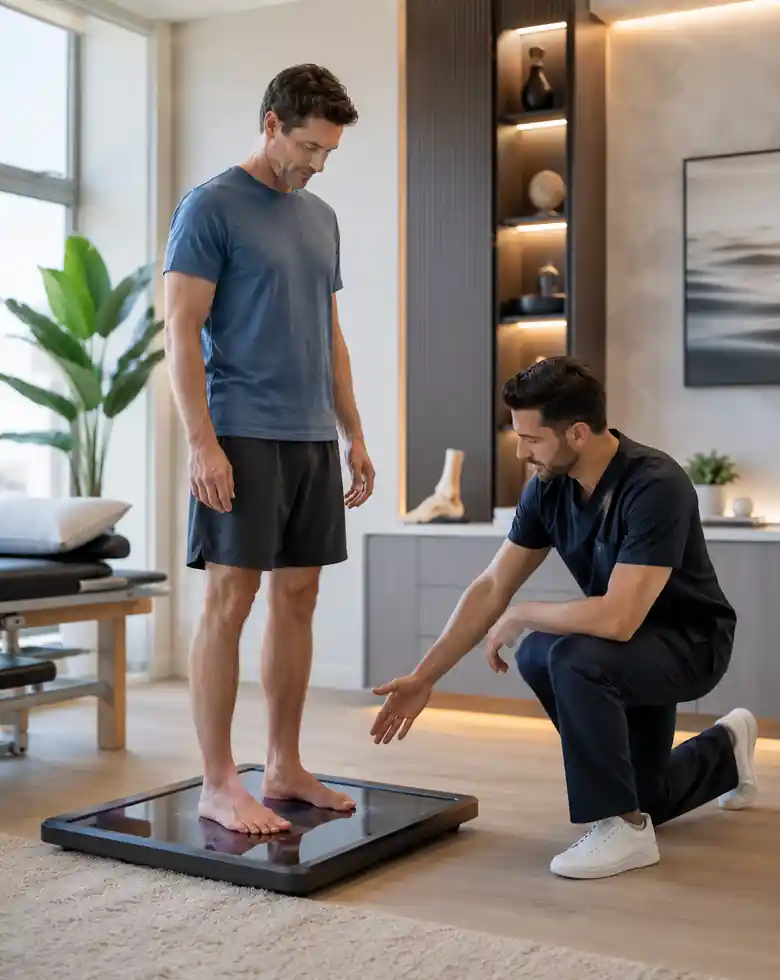
Diagnosis is based on foot shape, flexibility, walking pattern and pain location — not just how flat the arch looks.
Arch & Foot Shape Assessment
The arch is checked while sitting, standing and walking to see whether the flat foot is flexible or rigid.
Walking & Heel Alignment
Heel tilt, ankle alignment, shoe wear and gait pattern help identify where the load is going.
Tendon Strength & Pain Mapping
Inner ankle tenderness, swelling and single-leg heel raise ability help assess the tendon supporting the arch.
X-ray or MRI When Needed
Imaging is used for progressive deformity, suspected arthritis, tendon injury or surgery planning.
The pain location — arch, heel, inner ankle or outer foot — helps identify the main driver of symptoms.
Flat Foot Treatment Options
Treatment is usually stepwise. The aim is to support the arch, reduce pain, improve walking mechanics and prevent worsening.
Support the Arch
Footwear + insolesSupportive footwear and arch-support insoles reduce strain and improve walking comfort.
- Stable shoes with good heel support
- Arch-support insoles or custom orthotics
- Avoid unsupportive flat slippers for long walking
Improve Flexibility & Strength
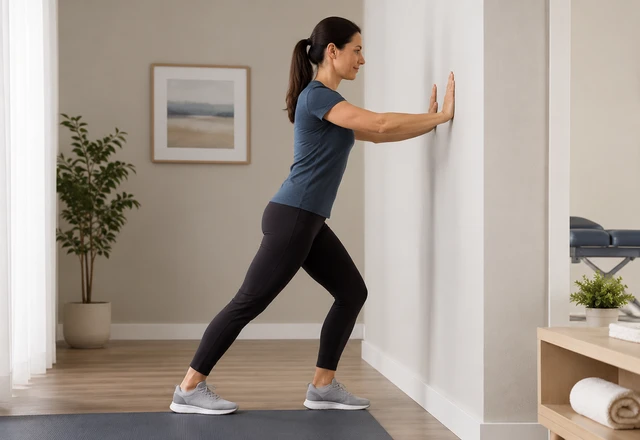
Physiotherapy + exercisesPhysiotherapy improves calf flexibility, foot muscle strength, ankle control and walking mechanics.
- Calf stretching and foot strengthening
- Balance and ankle control training
- Gradual return to walking and activity

Brace or Procedure Support
For persistent painful casesBracing, targeted pain-relief procedures or imaging may be considered when pain persists despite good support.
- Brace support for painful walking
- Assess tendon or joint inflammation
- Plan next step only after clear diagnosis

Correct Progressive Deformity
Surgery for selected casesSurgery is reserved for painful progressive flat foot, rigid deformity, arthritis or tendon failure.
- One-sided worsening flat foot
- Persistent pain despite full non-surgical care
- Rigid deformity or arthritis
Non-Surgical Treatment for Flat Foot
Most painful flat feet improve with non-surgical treatment when the right support is matched to the cause and severity.
Supportive Footwear
Shoes with a stable heel counter and good midfoot support reduce strain during walking.
🦶Arch-Support Insoles
Prefabricated or custom orthotics help support the arch and improve foot alignment.
🤸Physiotherapy
Calf stretching, foot strengthening, balance training and walking correction are commonly used.
🔥Heel Pain Control
Associated plantar fascia pain is treated with stretching, support and gradual load correction.
🩺Skin & Pressure Care
Foot pressure points and shoe rubbing need extra attention in diabetes or reduced sensation.
🏠 Can’t travel for physiotherapy? Home-visit physiotherapy is available across Chennai. Guided sessions at your home for foot, ankle, knee, hip, neck and back rehabilitation.
📞 Physio Home Visits · +91 98403 45335Insoles, Braces and Procedures for Flat Foot
The right support can reduce strain on the arch and improve walking comfort.
For many patients, the biggest improvement comes from matching the foot to the right support: stable footwear, arch-support insoles, custom orthotics or an ankle-foot brace for more painful cases.
Injections are not the main treatment for flat foot itself, but selected patients with associated tendon, joint or heel pain may benefit from a targeted procedure after careful assessment. The priority is to treat the reason for pain, not just the arch shape.
When Surgery Is Needed for Flat Foot
Surgery is not needed for most flat feet. It is considered when there is painful progressive deformity, tendon failure, rigid flat foot, arthritis or symptoms that continue despite a complete non-surgical plan.
The surgical plan depends on whether the flat foot is flexible or rigid, the condition of the tendon, the heel alignment and whether arthritis is present. Options may include tendon reconstruction, bone correction or fusion in selected advanced cases.
Surgery is reserved for selected progressive or rigid cases where support and physiotherapy are not enough.
Balanced treatment principle
A flat arch alone does not mean disease. Good care means treating the painful or progressive flat foot, supporting the arch early, and reserving surgery for clearly selected cases.
Frequently Asked Questions
What Patients Say
I had pain in my arch and heel after standing at work. The footwear and insole advice made walking much more comfortable.
★★★★★The doctor explained that my flat foot was flexible and did not need surgery. Physiotherapy and better shoes helped a lot.
★★★★★My inner ankle swelling was assessed properly and I understood why early support was important before it worsened.
★★★★★The video consultation helped me understand my foot alignment and what type of insoles to use before travelling to Chennai.
★★★★★Expert Orthopaedic Advice, From Wherever You Are
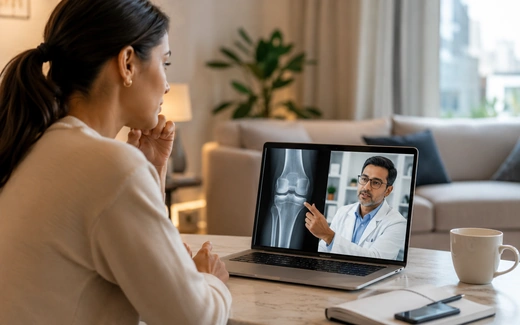
Can’t travel to Chennai, or want a specialist opinion before deciding your next step? Consult Dr. Soma Sundar over a secure video call for knee, shoulder, hip, sports injury, fracture, joint pain and orthopaedic concerns — and let your whole family join and ask questions.
-
Consult from anywhere
Connect from home, another city, or abroad — no travel needed for an expert orthopaedic opinion.
-
X-rays, MRI & reports — optional
You can share scans or reports in advance on WhatsApp if you have them, or simply talk first. Both work.
-
Clear next steps
Leave the call knowing what the likely problem is, what to try first, and when a clinic visit or procedure is truly needed.
Book an Ortho Video Consultation
Message us on WhatsApp with your name and a short note about your joint, bone, muscle or injury-related problem — our team will confirm a convenient slot.
Especially useful for- Outstation and overseas patients — and their families
- Knee, shoulder, hip, ankle, elbow or wrist pain
- A second opinion before orthopaedic surgery
- Understanding an X-ray, MRI or scan report in plain language
- Follow-up reviews after injections, procedures or surgery
- Elderly patients who find travelling difficult
📎 Sending X-rays, MRI or reports in advance is optional — many patients simply describe their problem and share reports later if needed.
Explore Orthopaedic Care
Patient-friendly guides for knee, shoulder, hip, foot and ankle problems — organised into simple boxes for conditions, treatments, physiotherapy, home exercises and one compact spine segment.