Knee Ligament Injury Treatment in Chennai Stabilise the Knee. Heal the Ligament. Return Safely.
Knee ligament injury treatment in Chennai by Dr. Soma Sundar S. Understand ACL, MCL, PCL and sports knee injuries — diagnosis, MRI, bracing, physiotherapy, PRP for selected partial injuries and arthroscopic reconstruction when needed. This patient guide explains symptoms, warning signs, diagnosis, physiotherapy, home exercises, injection options and when surgery is genuinely needed.
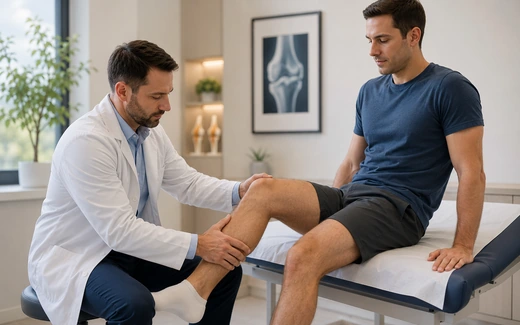
 15+ Years of Experience
Dr. Soma Sundar S
Spine & Orthopaedic Surgeon, Chennai
Kauvery Hospital, Alwarpet
Mon–Sat · 8:30 AM – 5:30 PM Get DirectionsShens Hospital, Ashok Nagar
Mon–Sat · 6:00 PM – 8:30 PM Get DirectionsTypes of Knee Ligament Injuries
A knee ligament injury can be a mild sprain, a partial tear, or a complete tear with instability. The treatment depends on which ligament is injured and whether the knee is giving way. 👇
 ACL Tear
A pop, fast swelling and a knee that gives way after twisting — common in sports and sudden direction change.
Read more →
↔️ Side ligament
ACL Tear
A pop, fast swelling and a knee that gives way after twisting — common in sports and sudden direction change.
Read more →
↔️ Side ligament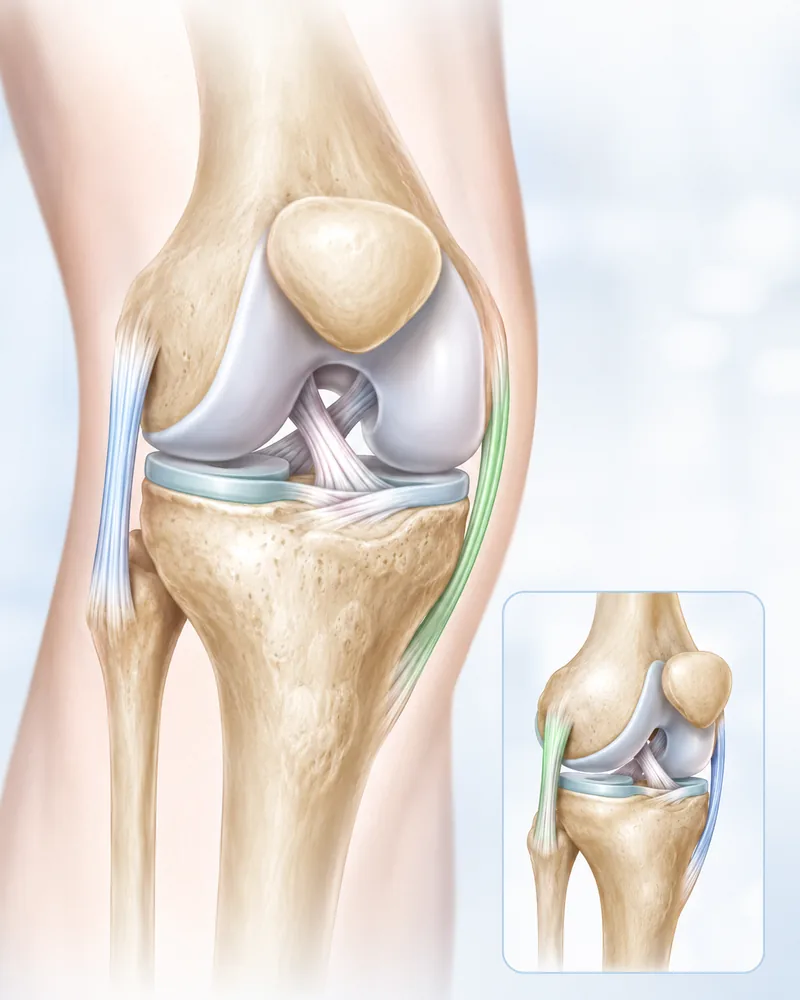 MCL / LCL Sprain
Pain on the inner or outer side of the knee after valgus or varus stress — many heal well with bracing and rehab.
Read more →
🚗 Dashboard injury
PCL Injury
Back-of-knee instability after a fall on a bent knee or road accident — often missed without proper testing.
Read more →
🚨 High energy
MCL / LCL Sprain
Pain on the inner or outer side of the knee after valgus or varus stress — many heal well with bracing and rehab.
Read more →
🚗 Dashboard injury
PCL Injury
Back-of-knee instability after a fall on a bent knee or road accident — often missed without proper testing.
Read more →
🚨 High energy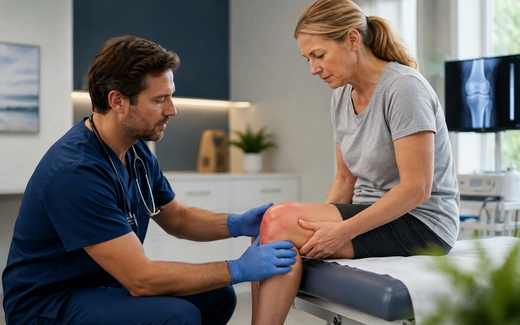 Multi-Ligament Injury
Severe swelling, deformity or major instability after trauma needs urgent assessment and imaging.
Read more →
Multi-Ligament Injury
Severe swelling, deformity or major instability after trauma needs urgent assessment and imaging.
Read more →
What Is a Knee Ligament Injury?
Ligaments are strong bands that keep the knee stable. The main stabilisers are the ACL, PCL, MCL and LCL. They control front-back movement, side-to-side movement and twisting loads during walking, climbing stairs and sports.
A knee ligament injury usually happens after a twist, fall, sports tackle or road accident. Some injuries are mild sprains; others are complete tears where the knee feels unstable or keeps giving way. Swelling within a few hours after injury is an important clue.
The key question is simple: is the ligament stretched, partially torn, or completely torn with instability? That decides whether you need bracing and physiotherapy, selected biologic support such as PRP for partial injury, or arthroscopic reconstruction for a complete unstable tear.
Ligament injuries need a stability-based plan — not just painkiller-based treatment.
Common Causes of Knee Ligament Injury
Most ligament injuries happen when the knee is forced beyond its normal range — twisting, pivoting, side impact or hyperextension. 👇
Sports Pivot Injury
Football, badminton, running turns and sudden direction changes commonly injure the ACL.
Road Traffic Accident
Dashboard impact, falls from two-wheelers and high-energy trauma can injure one or more ligaments.
Side Impact
A blow to the side of the knee can sprain or tear the MCL or LCL.
Hyperextension
Landing awkwardly or the knee bending backwards can injure the ACL, PCL or capsule.
Weak Hip & Thigh Control
Poor neuromuscular control increases twisting stress during sport and exercise.
Previous Injury
Returning to sport too early after a sprain increases the chance of repeat injury.
Associated Meniscus Tear
Ligament injuries can occur along with meniscus tears, causing locking or catching.
Missed Instability
Pain may settle, but repeated giving way suggests the ligament has not healed functionally.
⚡ Twist and pop
A sudden pop with swelling after sport suggests ACL injury until proven otherwise.
🔦 Stability testing
Lachman, drawer and side-stress tests help identify the injured ligament.
🩻 MRI confirmation
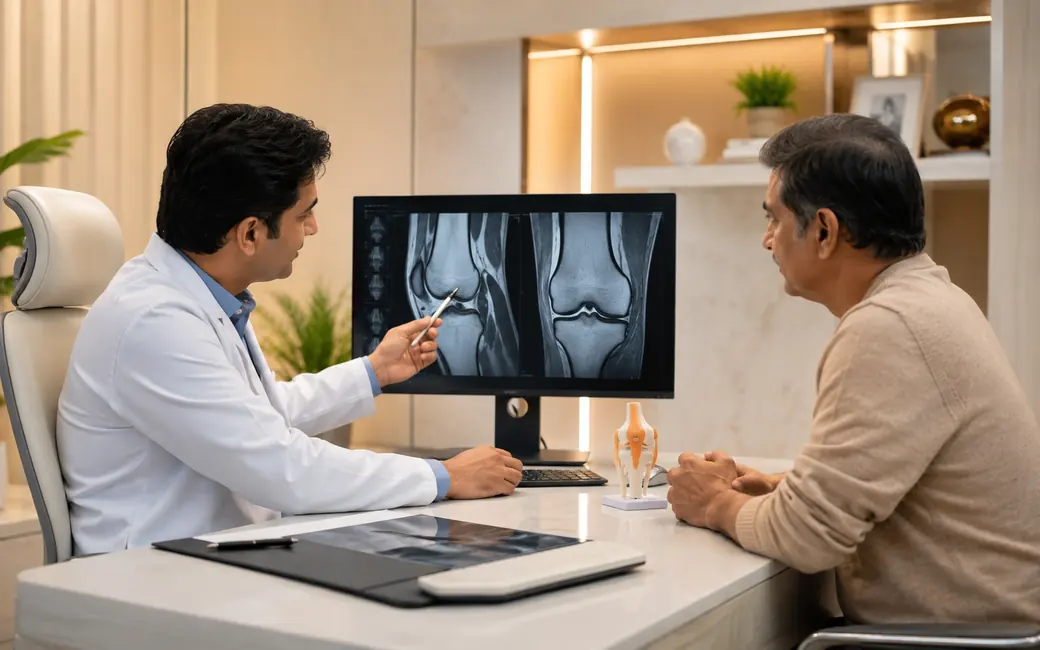
MRI confirms the ligament tear and checks meniscus, cartilage and bone bruising.
Knee Ligament Injury Symptoms — What Pattern Fits You?
Symptoms depend on the ligament injured and whether the knee is stable. Tap the pattern that matches yours. 👇
Pop Sound During Injury
A pop followed by swelling is a classic ACL-type injury pattern.
Important clueFast Swelling
Swelling within a few hours often means bleeding inside the knee from ligament or bone injury.
Needs assessmentGiving Way
The knee buckles during walking, stairs or turning — instability is the key symptom.
Instability signInner or Outer Knee Pain
Pain on the side after a side impact often points to MCL or LCL sprain.
Side ligamentLocking or Catching
May indicate an associated meniscus tear along with ligament injury.
Check meniscusUnable to Return to Sport
Pain settles but confidence and cutting movements fail — rehab and stability review are needed.
Return-to-sport issue💡 Tip: if the swelling appeared quickly after a twist, do not massage aggressively or force deep bending before assessment.
When to See a Knee Specialist After a Ligament Injury
Do not wait for weeks if the knee is swollen, unstable or locked. Early diagnosis protects the meniscus and cartilage. ⏱️
Large swelling within a few hours of injury
Knee giving way while walking or turning
Locked knee or inability to fully straighten
Unable to bear weight comfortably
Pain after road accident or sports twist
Numbness, cold foot or severe deformity
⏰ Instability should not be ignored
Repeated giving way can damage the meniscus and cartilage over time. If the knee feels unstable after a twist or accident, call +91 90809 68066 for a priority knee assessment.
Why Chennai Trusts Dr. Soma Sundar
Experienced hands, international training, and a philosophy that always starts with the least invasive treatment that can genuinely help you. View doctor profile.

15+ Years of Experience
Over fifteen years dedicated to spine and orthopaedic care, from everyday back pain to complex spinal conditions.
Internationally Trained
Fellowship training in Germany, Switzerland and the UK — FESS, FMISS, FAOS and the AO Spine Fellowship.
4.9 · 500+ Google Reviews
Consistently rated 4.9 by more than five hundred patients across both Chennai clinics.
FRCS & Gold Medallist
FRCS (Glasgow, UK) certified, MS Orthopaedics Gold Medallist, DNB and MNAMS qualified.
Non-Surgical First
Advanced pain management, injections and physiotherapy are always explored before surgery is considered.
Two Chennai Locations
Kauvery Hospital, Alwarpet (mornings) and Shens Hospital, Ashok Nagar (evenings) — six days a week.
How Knee Ligament Injury Is Diagnosed
Diagnosis starts with a stability-focused examination, then imaging when it changes the plan.
Injury Story 🗺️
The exact twist, pop, swelling timing and ability to continue activity help identify the ligament involved.
Stability Examination 🔦
Lachman, anterior/posterior drawer and varus-valgus stress tests check ACL, PCL, MCL and LCL stability.
X-ray or MRI When Needed 🩻
X-ray checks fractures or avulsion; MRI confirms ligament, meniscus, cartilage and bone bruise injuries.
Return-to-Activity Plan 🪜
The plan is tailored to your stability, pain, sport level and work demands — not just the scan report.
Imaging is matched with examination — scan findings alone never decide treatment.
Knee Ligament Injury Treatment — Stability First
Treatment is stepwise: calm swelling, restore motion, rebuild strength, then decide whether the ligament is stable enough for safe daily life and sport. ✅
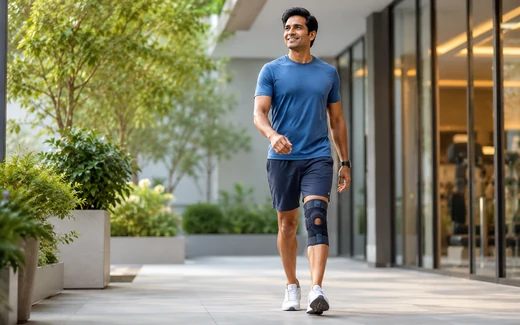
Protect & Calm Swelling 🧊
Brace + swelling controlRest, ice guidance, protected walking and a suitable brace protect the healing ligament.
- Reduce swelling
- Avoid twisting loads
- Early safe movement
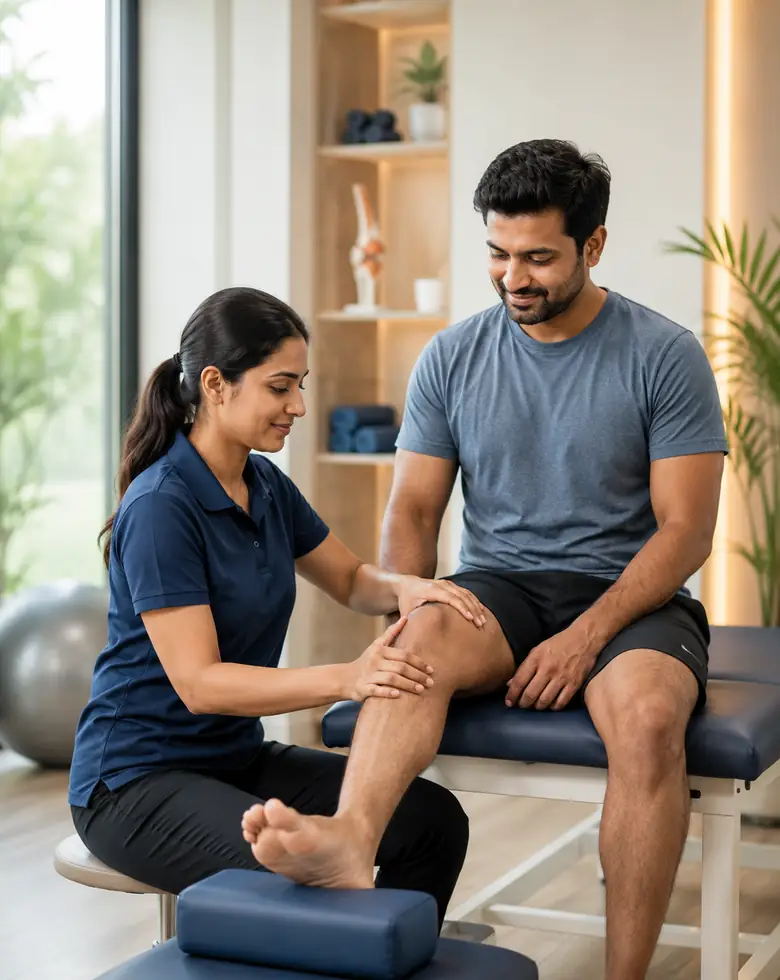
Rebuild Control 🤸
Physiotherapy + strengtheningQuadriceps, hamstring, hip and balance training restore dynamic knee stability.
- Range of motion
- Strength and balance
- Return-to-walk plan
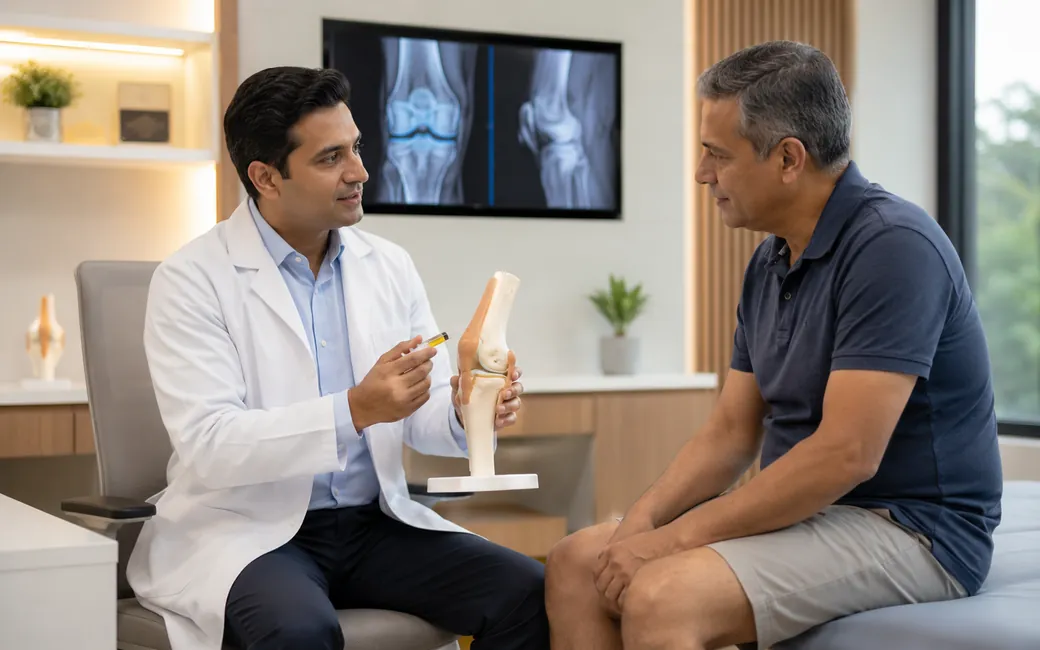
Support Selected Partial Tears 💉
PRP or injection only when suitableSelected partial ligament sprains with persistent pain may benefit from image-guided orthobiologic support.
- Not for complete unstable tears
- Image-guided procedure
- Rehab remains essential

Reconstruct If Unstable 🔬
Arthroscopic ligament surgeryComplete ACL tears, high-demand athletes or recurrent instability may need reconstruction.
- Persistent giving way
- Associated meniscus tear
- Return-to-sport goal
Physiotherapy & Rehab for Knee Ligament Injury
Rehab is the heart of ligament recovery — whether treatment is non-surgical, injection-supported or post-reconstruction. 👇
Knee Ligament Injury Rehab
Structured phases: swelling control, motion, strength, balance, running and return-to-sport testing.
🏠Knee Exercises at Home
Safe beginner exercises to maintain range and activate the quadriceps without overloading the knee.
🦵Knee Brace Guidance
Brace type and duration depend on the injured ligament and stability testing.
📥Exercise Guide Download
A printable knee exercise guide for daily rehab reminders.
🩻MRI Report Review
Understand whether your MRI shows sprain, partial tear, complete tear or associated meniscus injury.
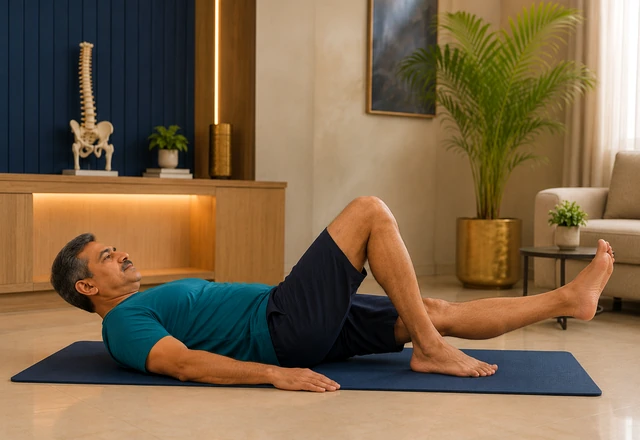 🦵 Quad sets
 ⬆️ Straight leg raise
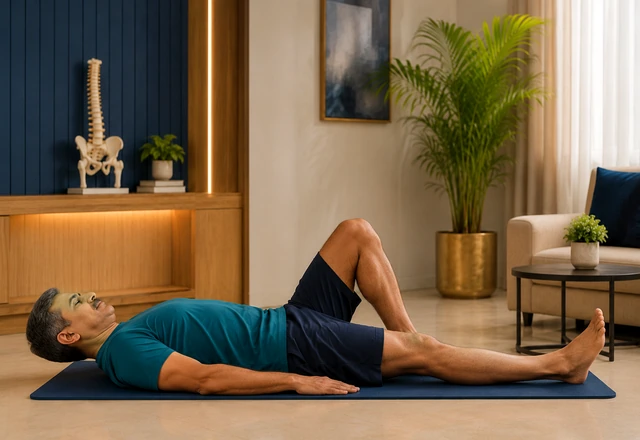 🔄 Heel slides
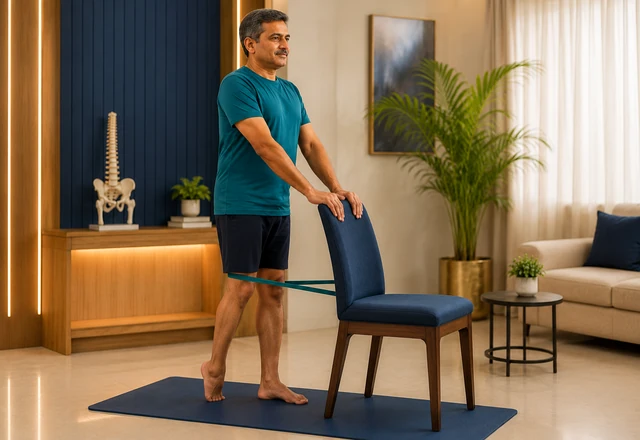 🎯 Terminal extension
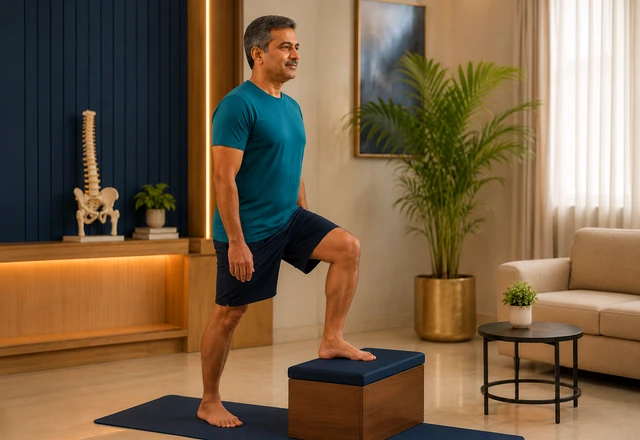 🪜 Step-ups
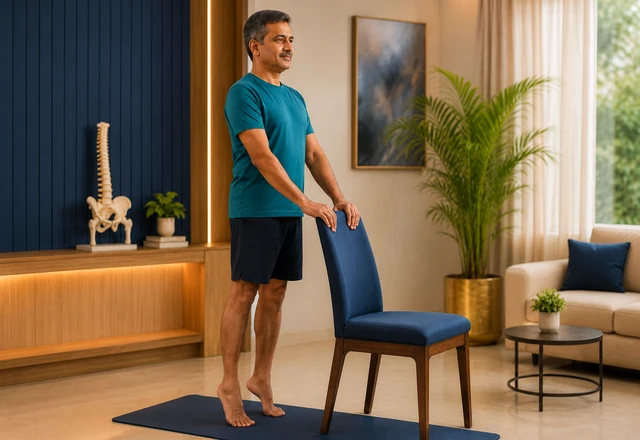 💪 Calf raises
🏠 Can’t travel for physiotherapy? Home-visit physiotherapy is available across Chennai. Guided sessions at your home for knee, spine and joint rehabilitation.
📞 Physio Home Visits · +91 98403 45335PRP & Injection Options for Knee Ligament Injury
PRP is considered only after stability assessment — not as a blanket treatment for every ligament tear.
For selected partial ligament sprains, persistent pain around the injured ligament may improve with carefully planned orthobiologic support such as PRP — but this is not a shortcut around rehabilitation.
A complete unstable ACL tear or multi-ligament injury is different: injections cannot restore mechanical stability. In those cases, the priority is honest counselling about bracing, rehab and arthroscopic reconstruction when needed.
When Is Surgery Needed for Knee Ligament Injury?
Surgery is considered when a ligament injury causes recurrent instability, complete ACL tear in an active patient, multi-ligament injury, or meniscus tear with locking.
The goal is to restore stability and protect the meniscus and cartilage. Modern arthroscopic reconstruction uses small incisions, structured rehabilitation and a clear return-to-sport timeline. The decision is based on your instability, MRI, activity level and goals — not on the word ‘tear’ alone. 🤝
Surgery is reserved for selected cases where structure, stability or mechanical symptoms require it.
⚖️ Stability-based decision
A partial sprain may heal with bracing and rehab. A complete unstable ligament tear may need reconstruction if the knee keeps giving way or the patient wants to return to pivoting sports.
Knee Ligament Injury — Frequently Asked Questions
What Knee Ligament Injury Patients Say
I had a twisting injury while playing badminton and my knee kept giving way. The examination and MRI explanation were very clear, and rehab started immediately.
★★★★★My MCL sprain improved with bracing and physiotherapy. I was happy that surgery was not pushed unnecessarily.
★★★★★After ACL reconstruction, the rehab milestones were explained step by step. That made the recovery less frightening.
★★★★★The doctor explained the difference between pain and instability. That helped me understand why strengthening was so important.
★★★★★My son’s sports knee injury was reviewed carefully. We got a clear return-to-sport plan instead of just rest advice.
★★★★★I had a partial ligament injury and persistent pain. PRP was discussed only after stability was checked, which felt very balanced.
★★★★★Home exercises with pictures made the early rehab easy to follow.
★★★★★My knee used to buckle on stairs. The combination of brace, physio and review helped me walk confidently again.
★★★★★I consulted by video after my MRI. The report was explained in simple Tamil and I knew what to do next.
★★★★★Expert Spine Advice, From Wherever You Are
Can’t travel to Chennai, or want a specialist opinion before deciding your next step? Consult Dr. Soma Sundar over a secure video call — and let your whole family join and ask questions.

-
Consult from anywhere
Connect from home, another city, or abroad — no travel needed for an expert opinion.
-
Reports & MRI — optional
You can share scans in advance on WhatsApp if you have them, or simply talk first. Both work.
-
Clear next steps
Leave the call knowing what your condition is, what to try first, and when a clinic visit is truly needed.
Book a Video Consultation
Message us on WhatsApp with your name and a short note about your problem — our team will confirm a convenient slot.
Especially useful for- Outstation and overseas patients — and their families
- A second opinion before agreeing to spine surgery
- Understanding an MRI or scan report in plain language
- Follow-up reviews after surgery or injections
- Elderly patients who find travelling difficult
📎 Sending scans or MRI in advance is optional — many patients simply describe their problem and share reports later if needed.
Explore SundarSpine
Everything on this site, organised the way patients think — conditions, treatments, physiotherapy, home exercises and free resources.