Diabetic Neuropathy Exercises You Can Do Safely at Home
Numbness, tingling, burning feet and poor balance can make walking feel uncertain. These gentle diabetic neuropathy exercises focus on foot movement, ankle mobility, lower-limb strength and balance safety — with step-by-step guidance from Dr. Soma Sundar S, Chennai.

Safe movement, foot awareness and supported balance training can help many people with diabetic neuropathy move with more confidence.
Better Foot Movement Means Safer Walking
Diabetic neuropathy can reduce sensation in the feet, affect balance and make walking less confident. Exercise cannot replace diabetes control or medical care, but the right routine can improve ankle mobility, circulation, lower-limb strength and balance awareness.
This guide is designed as a gentle starter routine. If you have a diabetic foot ulcer, wound, severe numbness, poor balance, foot deformity or recent fall, get assessed before starting. Safety is more important than intensity.
Move the feet daily
Ankle pumps, ankle circles and toe curls help maintain mobility and foot awareness.
Build safe strength
Calf raises, seated marching and sit-to-stand improve lower-limb support for walking.
Practise balance carefully
Use a chair, wall or railing. Never practise balance in a risky or unsupported position.

A good diabetic neuropathy exercise plan should include foot safety, balance confidence and regular foot checks.
Six Safety Rules for Diabetic Neuropathy Exercises
The goal is not to push hard. The goal is to move safely, protect the feet and build confidence slowly.
Use safe footwear
Avoid barefoot exercise if you have reduced sensation, calluses, wounds or previous diabetic foot problems.
Check your feet
Inspect the soles, toes and pressure areas before and after exercise for redness, cuts, blisters or swelling.
Use support
Do standing exercises near a wall, chair or railing. Balance work should never feel risky.
Start gently
Small, slow movements are enough in the beginning. Increase only if there is no pain, swelling or skin irritation.
Respect diabetes control
Exercise works best with good sugar control, regular medication, foot care and appropriate medical follow-up.
Do not ignore wounds
Any diabetic foot wound, ulcer, black discoloration, infection or sudden swelling needs medical care.
8 Diabetic Neuropathy Exercises, Step by Step
Start with seated foot and ankle exercises. Add standing strength and balance only when you feel safe and have proper support.
Foot Mobility & Circulation
Gentle movements to maintain ankle range, foot awareness and lower-limb circulation.
Ankle Pumps

This is a good warm-up before walking or standing exercises.
Stop if you notice calf pain, new swelling, skin redness or discomfort.
Toe Curls / Towel Grip

This helps maintain toe movement and foot awareness.
Do not do this on rough surfaces. Avoid if there is a toe wound, nail infection or ulcer.
Ankle Circles
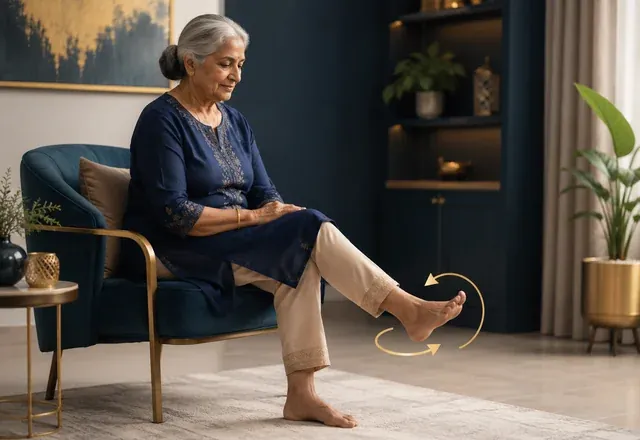
Keep the movement smooth and controlled rather than fast.
Reduce the circle size if the ankle feels painful or stiff.
Seated Marching
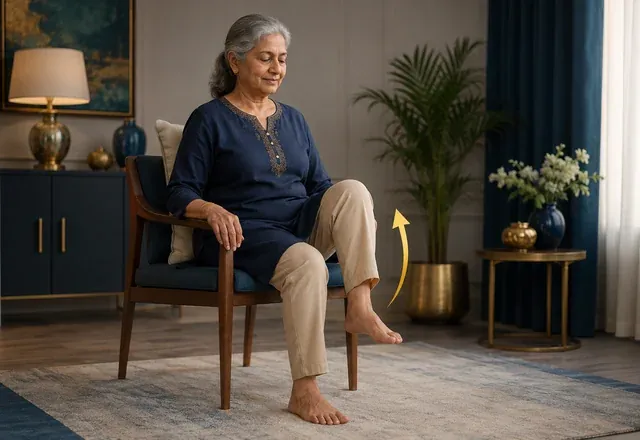
This is useful for people who are not yet confident with standing exercises.
Use a stable chair. Avoid stools or rolling chairs.
Strength & Supported Balance
Add these only when you feel steady. Keep a hand near support at all times.
Supported Calf Raise

Calf strength supports push-off while walking and climbing steps.
Do not do this unsupported. Stop if balance feels unsafe.
Sit-to-Stand with Support
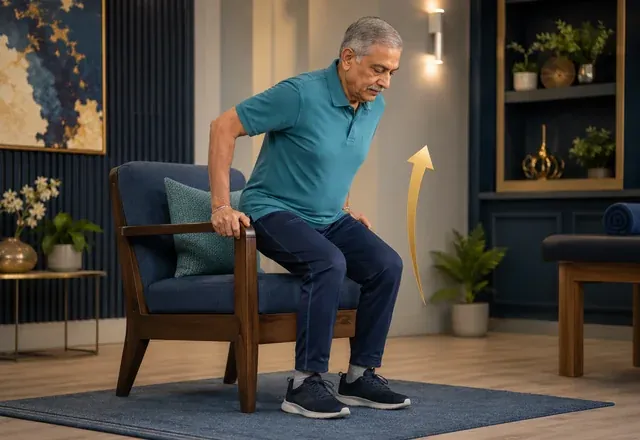
This helps with one of the most important daily activities: getting up from a chair safely.
Avoid low sofas or unstable chairs. Keep the area clear of rugs and obstacles.
Supported Balance Near Chair / Wall
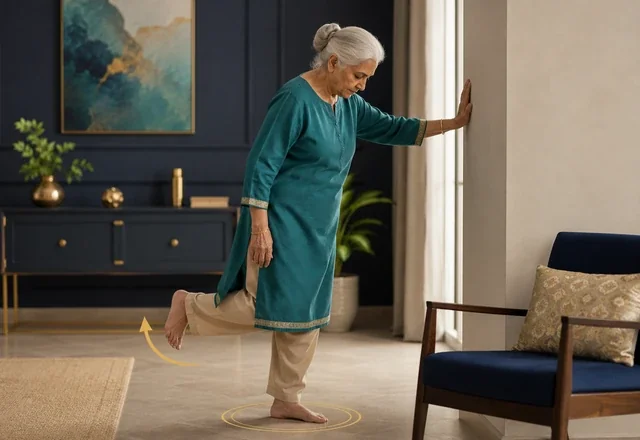
Balance training should feel controlled, not frightening.
Do not close your eyes. Do not practise near stairs, wet floors or loose carpets.
Safe Heel-to-Toe Walking Drill
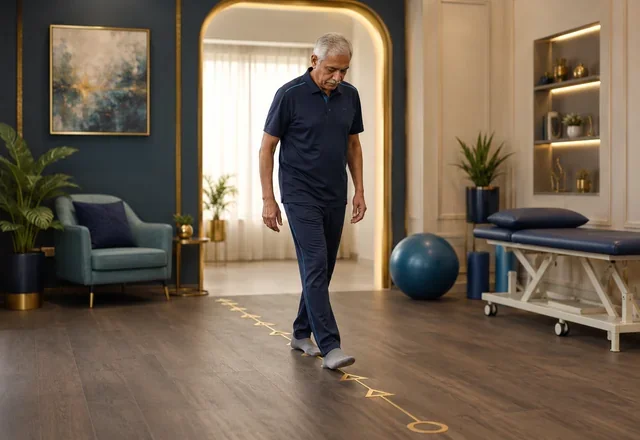
This is a progression exercise. Start only after basic supported balance feels safe.
Avoid this exercise if you have frequent falls, severe numbness or poor balance unless supervised.
Foot Check Rule After Every Session
After exercise, check both feet for redness, cuts, blisters, pressure marks, swelling or new pain. With diabetic neuropathy, the skin can get injured even when pain is not felt clearly.
Your Daily Neuropathy Exercise Flow
Use this simple routine as a safe starting structure. Keep it short, consistent and comfortable.
How Often Should You Practise?
Consistency is more important than difficulty. Choose safety first, especially if sensation or balance is reduced.
Every Day
Ankle pumps, ankle circles, toe curls and foot checks. These are gentle and help maintain foot mobility.
3–5× a Week
Calf raises, seated marching and sit-to-stand exercises. Rest if legs feel sore or unsteady.
2–3× a Week
Supported balance and heel-to-toe walking drills. Use support and stop before fatigue affects safety.
What Can Cause Foot Numbness, Burning or Poor Balance?
Diabetic neuropathy is common, but not every foot symptom is due to diabetes alone. Spine, nerve compression, circulation and foot problems may overlap.
Sciatica
Low back nerve irritation can cause leg pain, tingling, numbness or weakness that may mimic neuropathy.
Learn more →Lumbar Canal Stenosis
Walking difficulty, leg heaviness and numbness can sometimes come from spinal canal narrowing.
Learn more →Lumbar Disc Bulge
Disc-related nerve irritation can cause pain, numbness or tingling down the leg and foot.
Learn more →Physiotherapy
Structured rehabilitation can improve strength, walking confidence, balance and daily function.
Learn more →Foot & Ankle Pain
Foot pain, ankle stiffness or altered walking can worsen balance and mobility in diabetic patients.
Learn more →Ankle Exercises
Additional ankle mobility and strengthening exercises may help selected patients progress safely.
Learn more →When to Stop and See a Doctor
Diabetic foot problems should not be ignored. Stop exercising and arrange a medical review if any warning sign appears.
Foot wound or ulcer
Any wound, blister, skin break, bleeding or non-healing area needs medical assessment.
Redness, warmth or swelling
These may suggest infection, inflammation or pressure injury, especially in a numb foot.
Black discoloration
Dark or black skin changes should be treated as urgent until properly assessed.
Repeated falls or severe imbalance
Do not continue unsupported exercises if balance feels unsafe or falls are recurring.
Seek medical care promptly if you have:
Foot ulcer, infection, fever, spreading redness, sudden swelling, severe new pain, black discoloration, repeated falls, sudden weakness, or rapidly worsening numbness. These need medical assessment, not home exercise alone.
If symptoms are persistent or confusing, a consultation can help identify whether the problem is diabetic neuropathy, spine-related nerve compression, circulation-related pain, foot arthritis or a combination.
Why Choose Dr. Soma Sundar S?
Diabetic neuropathy symptoms can overlap with spine, nerve and foot problems. Dr. Soma Sundar S takes a practical approach — identify the cause, protect the foot, improve walking safety and use physiotherapy or advanced pain management options when needed.
Internationally Trained Orthopaedic Specialist
MBBS, MS (Ortho), FRCS (Tr & Orth) UK, FISS, FESS (Germany) and FMISS (Switzerland).
Foot Safety + Walking Confidence
Focus on safe movement, balance, footwear advice, fall prevention and practical home exercise planning.
Spine and Nerve Assessment
Helps differentiate diabetic neuropathy from sciatica, lumbar canal stenosis and other nerve-related conditions.
Trusted Across Chennai
A 4.9★ rating from 410+ verified Google reviews, built on consistent, honest results over 14+ years.

Diabetic Neuropathy Exercises — Your Questions Answered
Are diabetic neuropathy exercises safe to do on my own?
Can exercises cure diabetic neuropathy?
How often should I do these exercises?
Should I do these exercises barefoot?
Can balance exercises help diabetic neuropathy?
Can I walk if I have diabetic neuropathy?
What symptoms mean I should stop exercising?
Do I need physiotherapy for diabetic neuropathy?
Can these exercises reduce burning foot pain?
When should I see a doctor urgently?
Who can guide diabetic neuropathy exercises in Chennai?
Can diabetic neuropathy exercises prevent falls?
How Safer Movement Helped Our Patients
I had numbness and fear of walking. The supported balance exercises and foot checks made the routine feel safe and practical.
★★★★★The exercises were simple and not frightening. I liked that Dr. Soma Sundar explained when to stop and when to get checked.
★★★★★I was confused whether my leg symptoms were from diabetes or spine. The consultation clarified the cause and gave me a safe plan.
★★★★★Diabetic Neuropathy Home Exercise Guide
Download the complete Diabetic Neuropathy Home Exercise Guide as a printable PDF — every exercise, safety rule and rep count in one simple page. No sign-up required.
Video Consultation Available
Not sure whether your foot numbness is diabetic neuropathy, sciatica, spine-related nerve compression or a foot problem? Dr. Soma Sundar S offers video consultations to review symptoms, reports and walking difficulty before planning the next step.
You can share your reports in advance and receive a clear plan — including safe exercises, physiotherapy, foot safety advice, investigations if needed and whether an in-person assessment is required.

Diabetic Neuropathy Learning Hub
Related exercise guides, spine conditions and treatment pages that can help patients understand foot numbness, tingling and walking difficulty better.