Osteoporotic Spine Fracture Treatment in Chennai Treat the Fracture. Strengthen the Bone. Prevent the Next Fall.
Osteoporotic spine fractures are common after 50–60 years — sometimes after a small fall, lifting strain, sudden bend, cough or even without a clear injury. The pain can be sudden, severe and frightening, but the right treatment depends on whether the fracture is fresh, stable, collapsed, or pressing on the nerves. This guide explains how Dr. Soma Sundar S evaluates vertebral compression fractures with X-ray, MRI and bone-health testing, then plans bracing, pain control, physiotherapy, osteoporosis treatment, vertebroplasty/kyphoplasty or surgery only when truly needed.
 15+ Years of Experience
Dr. Soma Sundar S
Spine & Orthopaedic Surgeon, Chennai
Kauvery Hospital, Alwarpet
Mon–Sat · 8:30 AM – 5:30 PM Get DirectionsShens Hospital, Ashok Nagar
Mon–Sat · 6:00 PM – 8:30 PM Get DirectionsTypes of Osteoporotic Spine Fractures We Assess
The same word “fracture” can mean very different things in the spine. Treatment depends on whether the fracture is fresh, healed, multiple, unstable, or affecting the nerves. 👇
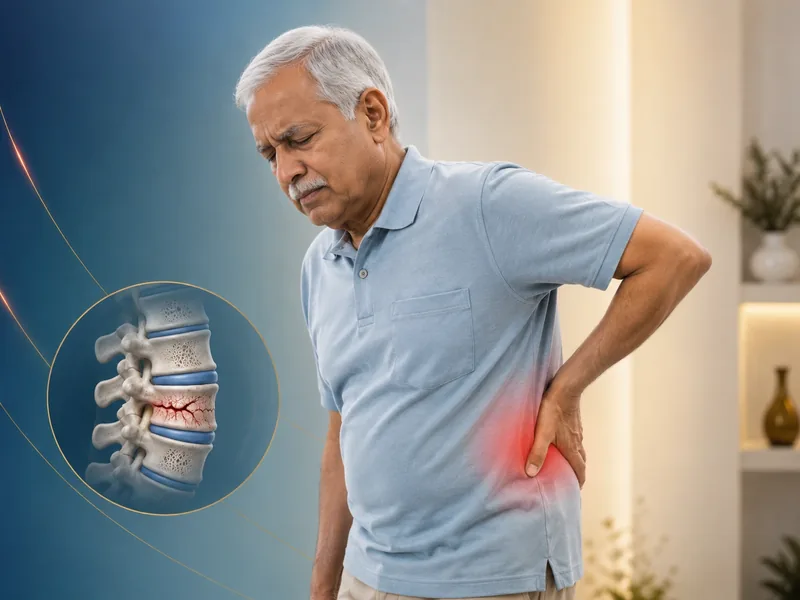
Fresh Compression Fracture
Sudden severe back pain after a minor fall, bend or lift — MRI helps confirm if the fracture is active.
See diagnosis →
✅ Often non-surgical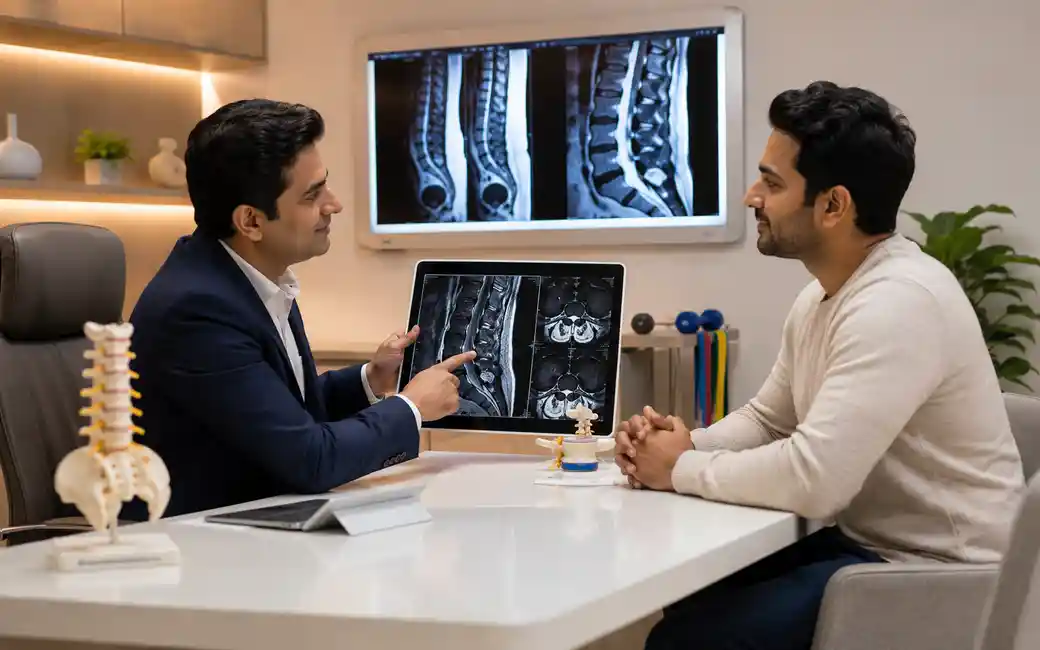 Stable Wedge Fracture
Many stable fractures heal with pain control, a brace, careful mobilisation and bone-strengthening treatment.
View roadmap →
📉 Height loss
Stable Wedge Fracture
Many stable fractures heal with pain control, a brace, careful mobilisation and bone-strengthening treatment.
View roadmap →
📉 Height loss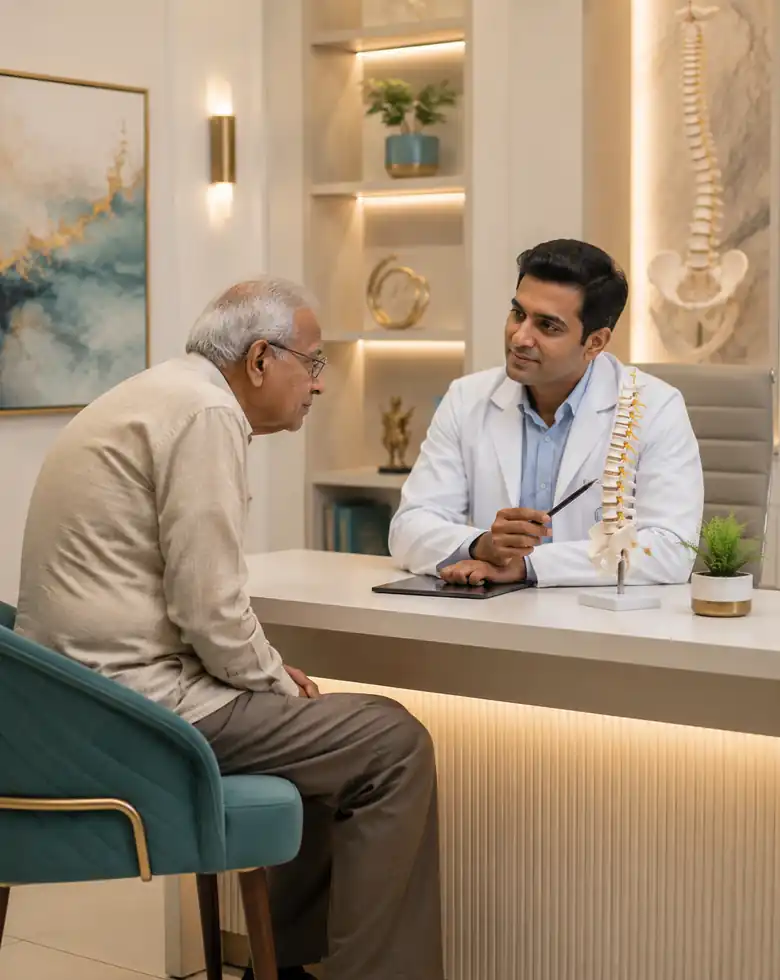 Multiple Fractures / Kyphosis
Repeated fractures can cause height loss, stooped posture and chronic back fatigue — prevention becomes the priority.
Read kyphosis guide →
🚨 Early review
Multiple Fractures / Kyphosis
Repeated fractures can cause height loss, stooped posture and chronic back fatigue — prevention becomes the priority.
Read kyphosis guide →
🚨 Early review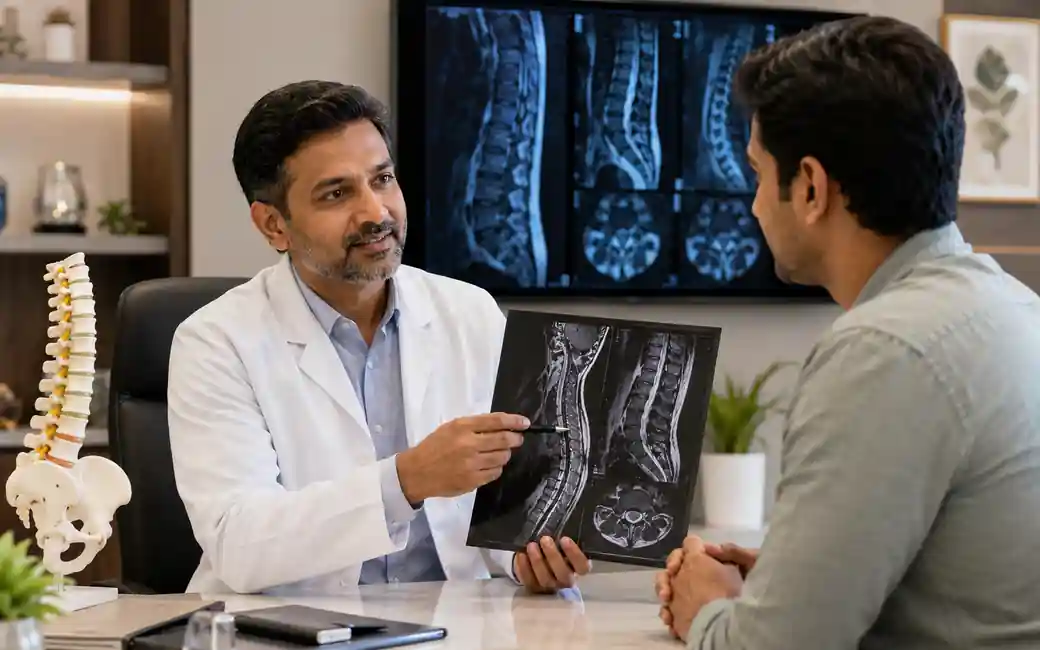 Unstable / Nerve-Pressure Fracture
Rare, but important — leg weakness, numbness, bladder symptoms or progressive collapse need urgent assessment.
Know the warning signs →
Unstable / Nerve-Pressure Fracture
Rare, but important — leg weakness, numbness, bladder symptoms or progressive collapse need urgent assessment.
Know the warning signs →
What Is an Osteoporotic Spine Fracture?
Osteoporosis makes the vertebrae — the bones of the spine — weak and porous. When a weak vertebra cannot handle normal load, it can collapse like a wedge. This is called a vertebral compression fracture or osteoporotic spine fracture.
Unlike a young person’s fracture after a major accident, an osteoporotic fracture may happen after a minor fall, sudden bend, lifting a small weight, coughing or sneezing. The pain is often sudden, sharp and very localised in the mid-back or lower back.
The treatment question is not simply “fracture or no fracture”. The important question is: is it fresh, stable, healing, collapsing further, or affecting the nerves? That answer decides whether bracing and bone care are enough, or whether a procedure is needed for pain relief and stability.

A compression fracture usually means the front of the vertebral body has collapsed more than the back.
Common Causes & Risk Factors
Osteoporotic fractures are usually caused by weak bone plus a small trigger. Finding the trigger is useful — but preventing the next fracture is even more important. 🛡️
Osteoporosis / Low Bone Density
The main reason — fragile bone collapses under loads that a healthy spine would tolerate easily.
Minor Fall or Slip
A fall from standing height, bathroom slip or missed step can be enough to fracture a weak vertebra.
Bending, Lifting or Twisting
Picking up a bucket, suitcase or grandchild can trigger sudden pain when bone strength is poor.
Coughing or Sneezing
In severe osteoporosis, even a forceful cough or sneeze can bring on a fresh compression fracture.
Age & Menopause
Bone loss increases with age, and women after menopause are at higher risk of fragility fractures.
Steroid or Medical Causes
Long-term steroid use, thyroid/parathyroid problems, kidney disease and some medicines can weaken bone.
Previous Fragility Fracture
One fracture increases the risk of another — this is why bone-strengthening treatment must start early.
Rule Out Other Causes
Night pain, fever, weight loss or cancer history may need MRI and blood tests to exclude infection or tumour.
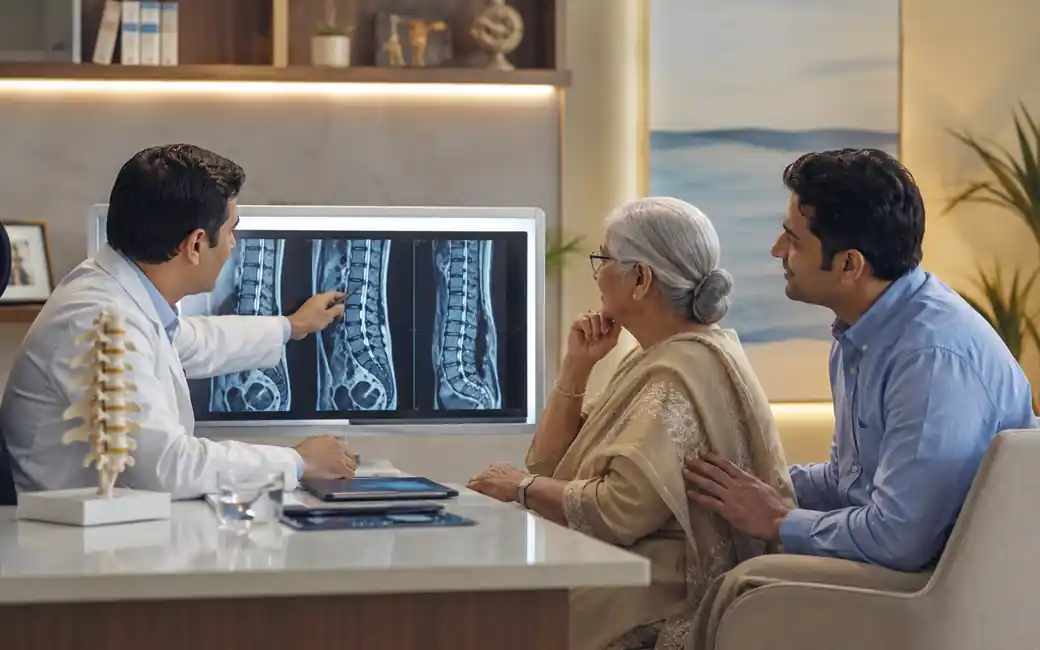
🦴 Compression collapse
The vertebra loses height, often becoming wedge-shaped.
🩻 Scan review
X-ray shows collapse; MRI tells whether the fracture is fresh and painful.

🛡️ Prevention
Home safety, balance and bone treatment reduce repeat fractures.
Osteoporotic Fracture Symptoms — What Is Yours Telling You?
A fresh fracture has a different feel from old back pain. These patterns help decide how urgently you need assessment. 👇
Sudden Severe Back Pain
Sharp pain starting after a small fall, bend, lift, cough or sneeze strongly suggests a fresh fracture.
Classic patternPain Worse on Standing
Compression fracture pain is often worse while standing or walking, and better when lying down.
Mechanical painHeight Loss or Stooping
Multiple fractures can gradually reduce height and create a forward-bent posture or kyphosis.
Multiple fracturesBand-like Chest or Rib Pain
Thoracic fractures may feel like pain wrapping around the ribs or upper abdomen.
Thoracic clueLeg Numbness or Weakness
Nerve symptoms are not typical for a simple stable fracture and need earlier specialist review.
Priority reviewFever, Weight Loss or Night Pain
These warning signs need MRI and blood tests to rule out infection, tumour or non-osteoporotic causes.
Red flag💡 Tip: sudden back pain in an elderly person after a minor fall should be treated as a possible vertebral compression fracture until proven otherwise.
When to See a Spine Specialist for Osteoporotic Fracture
Early assessment reduces suffering, prevents prolonged bed rest, and starts the bone-strengthening plan that prevents the next fracture. ⏱️
Sudden severe mid-back or low-back pain after a minor fall
Pain so severe that sitting, standing or walking is difficult
New height loss, stooping or visible spinal deformity
Leg pain, numbness, weakness or walking imbalance
Bladder or bowel control changes
Night pain, fever, weight loss or cancer history
⏰ Avoid prolonged bed rest
Staying in bed for many days can worsen weakness, chest problems, constipation, clots and future fall risk — especially in elderly patients. Severe fracture pain needs timely evaluation, safe mobilisation advice and a clear plan. 📞 Call +91 90809 68066 for a priority appointment.
Why Chennai Trusts Dr. Soma Sundar
Experienced hands, international training, and a philosophy that always starts with the least invasive treatment that can genuinely help you. View doctor profile.

15+ Years of Experience
Over fifteen years dedicated to spine and orthopaedic care, from everyday back pain to complex spinal conditions.
Internationally Trained
Fellowship training in Germany, Switzerland and the UK — FESS, FMISS, FAOS and the AO Spine Fellowship.
4.9 · 500+ Google Reviews
Consistently rated 4.9 by more than five hundred patients across both Chennai clinics.
FRCS & Gold Medallist
FRCS (Glasgow, UK) certified, MS Orthopaedics Gold Medallist, DNB and MNAMS qualified.
Non-Surgical First
Advanced pain management, injections and physiotherapy are always explored before surgery is considered.
Two Chennai Locations
Kauvery Hospital, Alwarpet (mornings) and Shens Hospital, Ashok Nagar (evenings) — six days a week.
How Osteoporotic Spine Fracture Is Diagnosed
Good treatment begins by confirming whether the fracture is fresh, stable, painful and osteoporotic — and by checking whether the nerves are safe.
Story & Pain Pattern 🗺️
How the pain started, whether there was a fall, and whether pain improves on lying down help identify a fresh compression fracture.
Neurological Examination 🔦
Leg power, sensation, reflexes and walking are checked to detect nerve or canal compromise early.
X-ray, MRI & Fracture Age 🩻
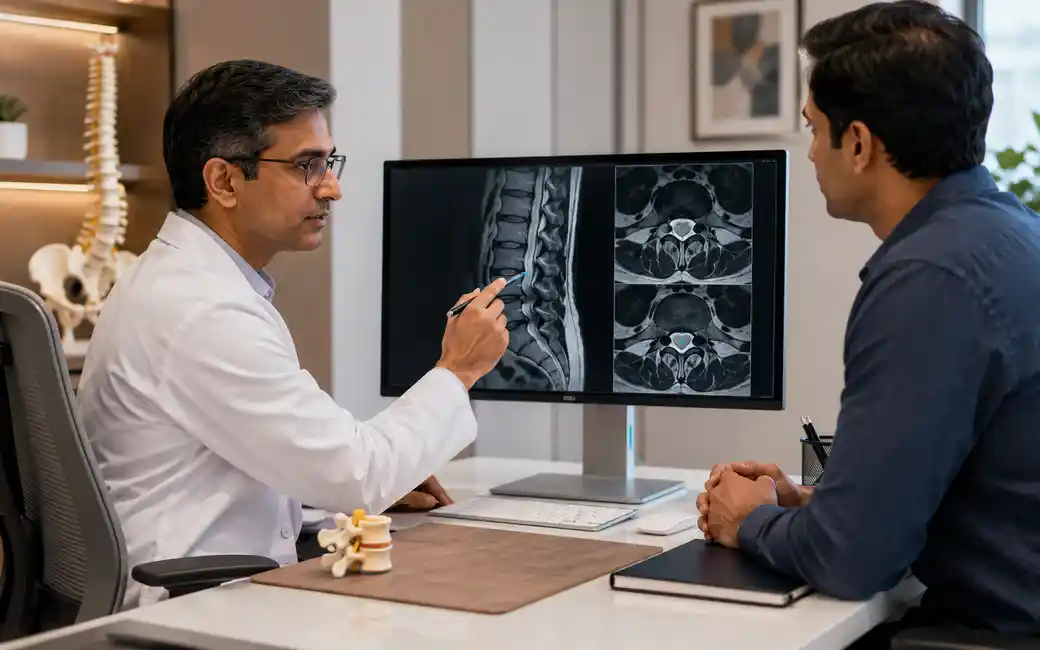
X-ray shows collapse; MRI helps confirm if the fracture is recent, painful, multiple, infected, tumour-related or compressing nerves.
Bone Health Work-up 🧪
DEXA scan, vitamin D, calcium and relevant blood tests guide osteoporosis treatment to prevent the next fracture.
MRI is especially useful when X-ray shows several old-looking fractures but only one level is actually fresh and painful.
Osteoporotic Spine Fracture Treatment — Step by Step
Dr. Soma Sundar follows a fracture-first and bone-first plan: control pain, mobilise safely, strengthen the bone, and reserve procedures or surgery for clearly selected cases. ✅
Calm Pain & Avoid Bed Rest 🛏️
Pain control + safe movementShort-term pain medicines when suitable, heat/position advice and safe mobilisation reduce complications.
- Avoid prolonged bed rest
- Log-roll and sitting guidance
- Monitor pain and walking ability
Brace & Mobilise Safely 🦺
Brace + guided physiotherapyA spinal brace may reduce painful movement at the fracture while walking and daily activity are restarted safely.
- Brace when indicated
- Safe walking plan
- Gentle breathing and mobility work
Strengthen Bone & Prevent Falls 🛡️
Bone-health treatment + home safetyVitamin D/calcium correction, osteoporosis medicines when suitable, balance training and home safety reduce repeat fractures.
- DEXA-guided treatment
- Fall-risk reduction
- Osteoporosis exercise plan
Procedure Only When Needed 💉
Vertebroplasty / kyphoplasty / surgerySelected patients with severe persistent pain, progressive collapse or nerve pressure may need a targeted procedure.
- Fresh painful fracture on MRI
- Severe pain despite care
- Nerve or stability concerns
Bracing, Physiotherapy & Bone Care
Most stable osteoporotic spine fractures begin with non-surgical care — but it must be active, supervised and bone-focused. 👇
Spinal Brace Guidance
Used selectively for fresh painful fractures to support walking and reduce painful movement while healing.
🤸Safe Physiotherapy
Breathing, walking, hip strengthening and posture work — avoiding aggressive bending/twisting early.
🏠Osteoporosis Exercises
Balance, strength and extension-based exercises to reduce fall risk and support bone health.
🛡️Home Safety Guide
Bathroom safety, lighting, footwear and fall-proofing steps that matter after a fragility fracture.
🩻MRI Report Review
Understand whether your fracture is fresh, old, stable, collapsed or suspicious before deciding treatment.
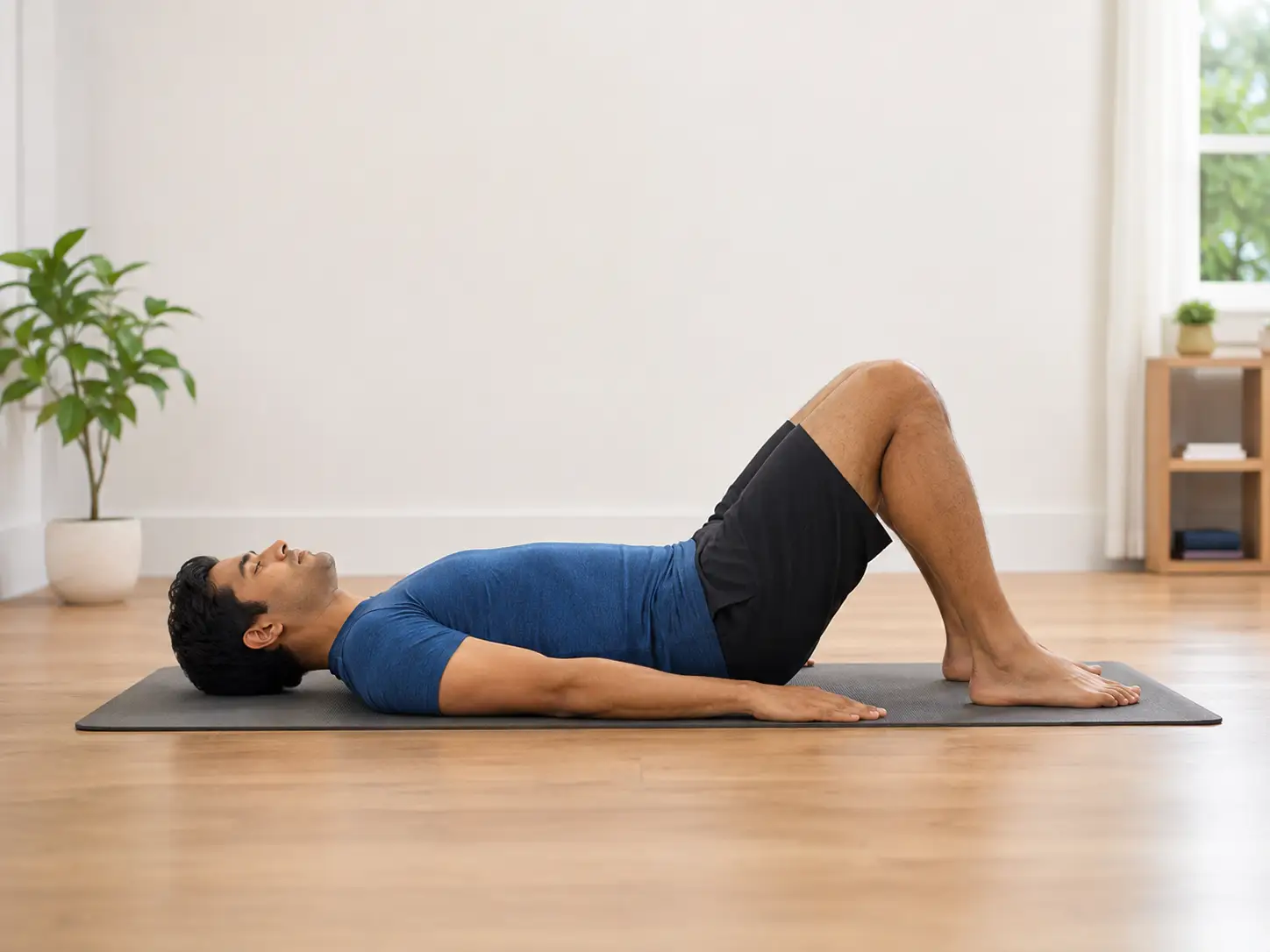 🤲 Gentle pelvic control
 🍑 Hip strengthening
 🐦 Stability work
 🐈 Gentle mobility
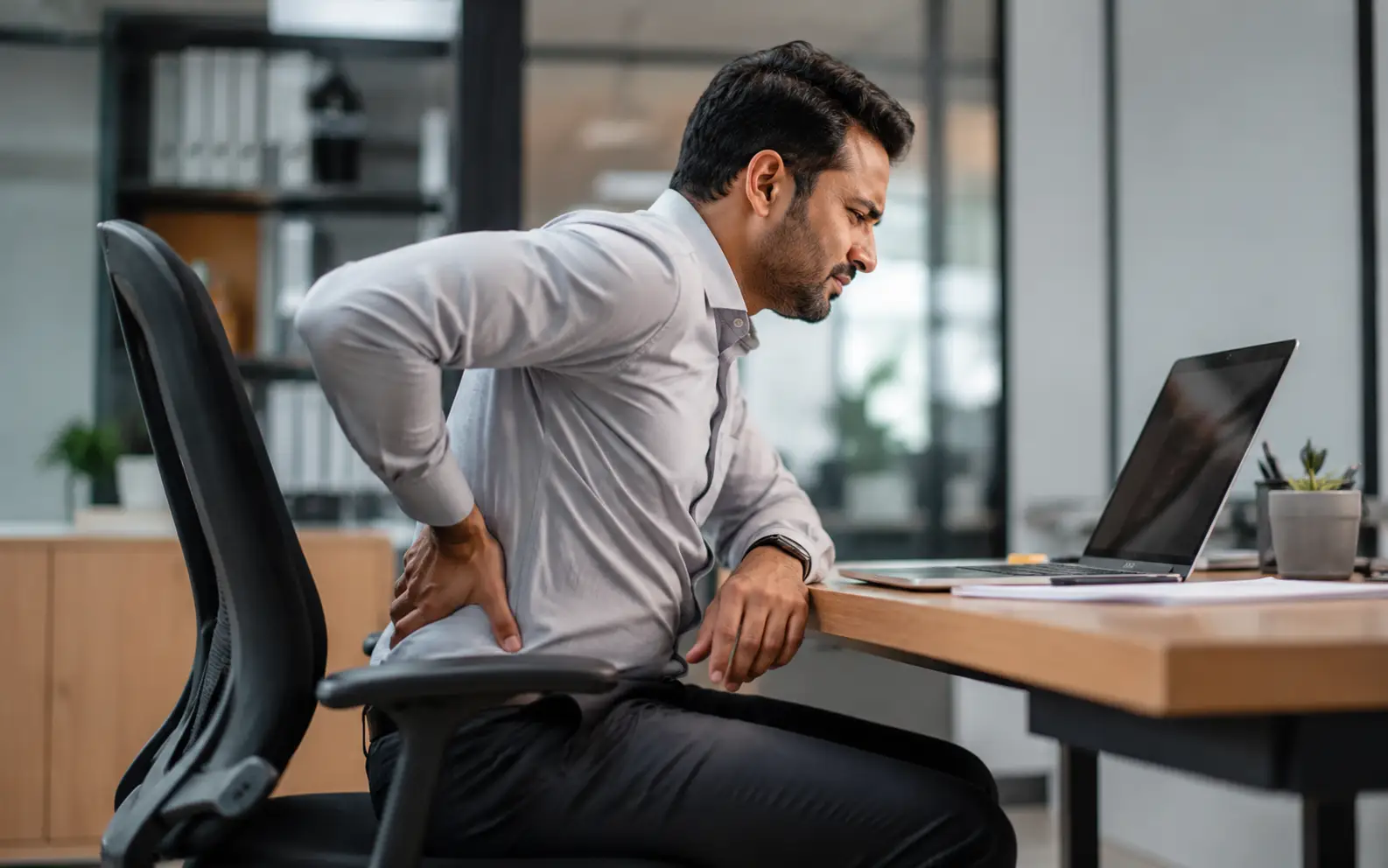 🪑 Sitting posture🛡️ Fall prevention
🏠 Elderly patient unable to travel? Home-visit physiotherapy is available across Chennai. Gentle mobilisation, gait training and home-safety guidance after spine fracture.
📞 Physio Home Visits · +91 98403 45335Vertebroplasty / Kyphoplasty for Osteoporotic Fracture
Procedure decisions are made only after matching MRI fracture activity with the exact pain pattern.
When a fresh compression fracture causes severe pain that does not settle with appropriate bracing and medicines, an image-guided cement augmentation procedure may be considered. The aim is to stabilise the painful vertebra and help the patient mobilise sooner. 🎯
Vertebroplasty places medical cement into the painful fractured vertebra. Kyphoplasty may use a small balloon before cement placement in selected cases. These are not for every fracture — patient selection, fracture age, collapse pattern and overall health decide suitability.
When Is Surgery Needed for Osteoporotic Spine Fracture?
Surgery is not the first step for most osteoporotic compression fractures. It is considered when the fracture is unstable, progressively collapsing, causing significant deformity, or compressing the nerves.
Osteoporotic bone needs careful planning — stronger fixation strategies, cement augmentation when appropriate, minimally invasive techniques where suitable, and bone-health treatment before and after surgery. The goal is to relieve pressure, restore stability and allow safer mobilisation. 🤝
Surgery is reserved for instability, progressive deformity or nerve compromise — not for every fracture seen on X-ray.
⚖️ Balanced treatment principle
A collapsed vertebra on X-ray does not automatically mean surgery. The correct plan depends on fracture age, pain severity, stability, nerve status, general health and bone quality — plus a prevention plan to stop the next fracture.
Osteoporotic Spine Fracture — Frequently Asked Questions
What Spine Fracture Patients Say
My mother had severe back pain after a bathroom slip. The fracture was explained clearly on MRI, and she improved with a brace, medicines and supervised walking. We were relieved surgery was not rushed.
★★★★★I thought it was only old-age back pain. Dr. Soma identified a fresh compression fracture and started bone treatment also. The focus on preventing the next fracture was very helpful.
★★★★★The pain was so bad I could not sit. The doctor explained when vertebroplasty is useful and when it is not. I appreciated the honest, stepwise approach.
★★★★★We came with an X-ray showing three old fractures. The MRI showed only one fresh level. That clarity changed the treatment plan completely.
★★★★★The home physiotherapy and fall-prevention advice made a big difference for my father. He started walking safely again instead of staying in bed.
★★★★★I had repeated fractures and a bent posture. The explanation of kyphosis, bone medicines and safe exercises gave me a practical long-term plan.
★★★★★My grandmother was scared of surgery. The doctor separated the fracture pain, osteoporosis treatment and physiotherapy plan very patiently. It felt reassuring.
★★★★★I consulted by video from Madurai with my MRI. The doctor reviewed the scan and told me clearly what needed urgent care and what could be managed locally.
★★★★★The best part was the prevention plan — vitamin D, bone-strengthening medicines, balance exercises and bathroom safety. It was not just pain treatment.
★★★★★Explore More Spine Care
Expert Spine Advice, From Wherever You Are
Can’t travel to Chennai, or want a specialist opinion before deciding your next step? Consult Dr. Soma Sundar over a secure video call — and let your whole family join and ask questions.

-
Consult from anywhere
Connect from home, another city, or abroad — no travel needed for an expert opinion.
-
Reports & MRI — optional
You can share scans in advance on WhatsApp if you have them, or simply talk first. Both work.
-
Clear next steps
Leave the call knowing what your condition is, what to try first, and when a clinic visit is truly needed.
Book a Video Consultation
Message us on WhatsApp with your name and a short note about your problem — our team will confirm a convenient slot.
Especially useful for- Outstation and overseas patients — and their families
- A second opinion before agreeing to spine surgery
- Understanding an MRI or scan report in plain language
- Follow-up reviews after surgery or injections
- Elderly patients who find travelling difficult
📎 Sending scans or MRI in advance is optional — many patients simply describe their problem and share reports later if needed.
Explore SundarSpine
Everything on this site, organised the way patients think — conditions, treatments, physiotherapy, home exercises and free resources.