Tailbone Pain Treatment in Chennai Sit Comfortably. Find the Cause. Relieve Coccyx Pain Safely.
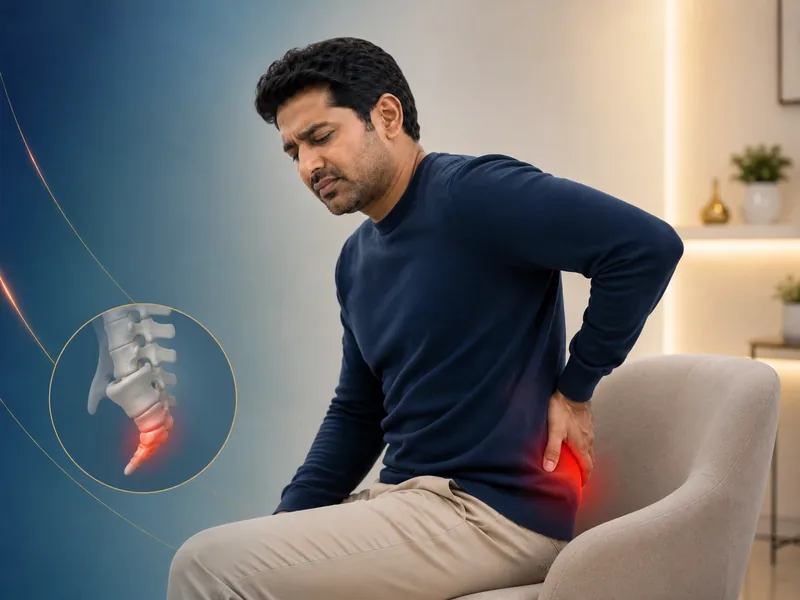
Tailbone pain — also called coccydynia — can make sitting, driving, travelling and getting up from a chair surprisingly painful. It may follow a fall, prolonged sitting, childbirth, cycling, coccyx instability or inflammation around the tailbone. This guide helps you understand the cause, when X-rays or MRI are useful, and every treatment step Dr. Soma Sundar S offers: cushions, medicines, physiotherapy, posture correction, image-guided tailbone injection, ganglion impar block — and surgery only in rare, carefully selected cases.
 15+ Years of Experience
Dr. Soma Sundar S
Spine & Orthopaedic Surgeon, Chennai
Kauvery Hospital, Alwarpet
Mon–Sat · 8:30 AM – 5:30 PM Get DirectionsShens Hospital, Ashok Nagar
Mon–Sat · 6:00 PM – 8:30 PM Get DirectionsTailbone Pain Patterns We Commonly Treat
Tailbone pain is not “just back pain”. The pattern — pain after a fall, pain while sitting, pain on getting up, or pain that keeps returning — helps identify the true coccyx problem and the right treatment step. 👇
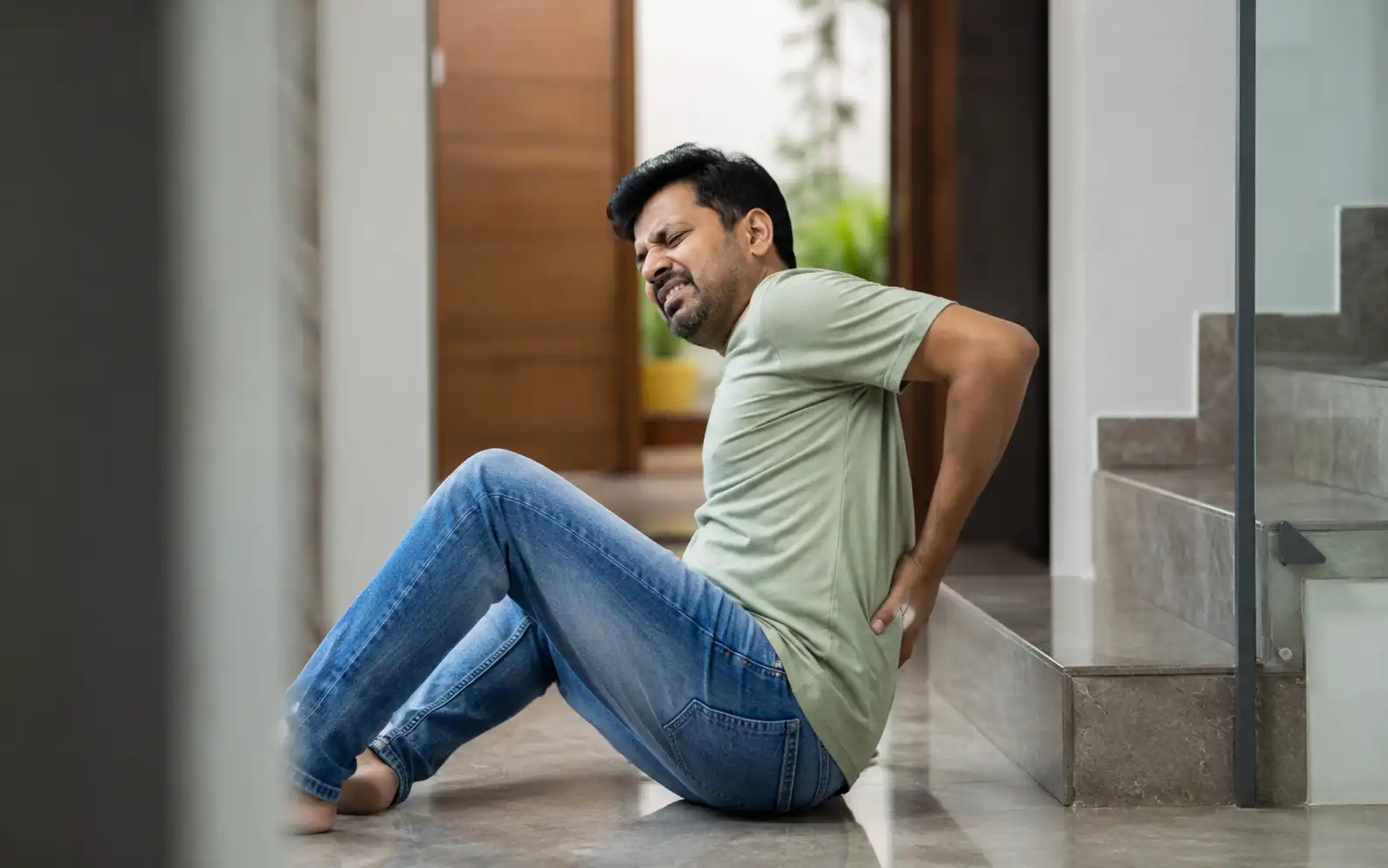 Pain After a Fall
A fall on the buttocks can bruise, inflame, subluxate or rarely fracture the coccyx — sitting becomes the main trigger.
Learn what it means →
🪑 Sitting pain
Pain After a Fall
A fall on the buttocks can bruise, inflame, subluxate or rarely fracture the coccyx — sitting becomes the main trigger.
Learn what it means →
🪑 Sitting pain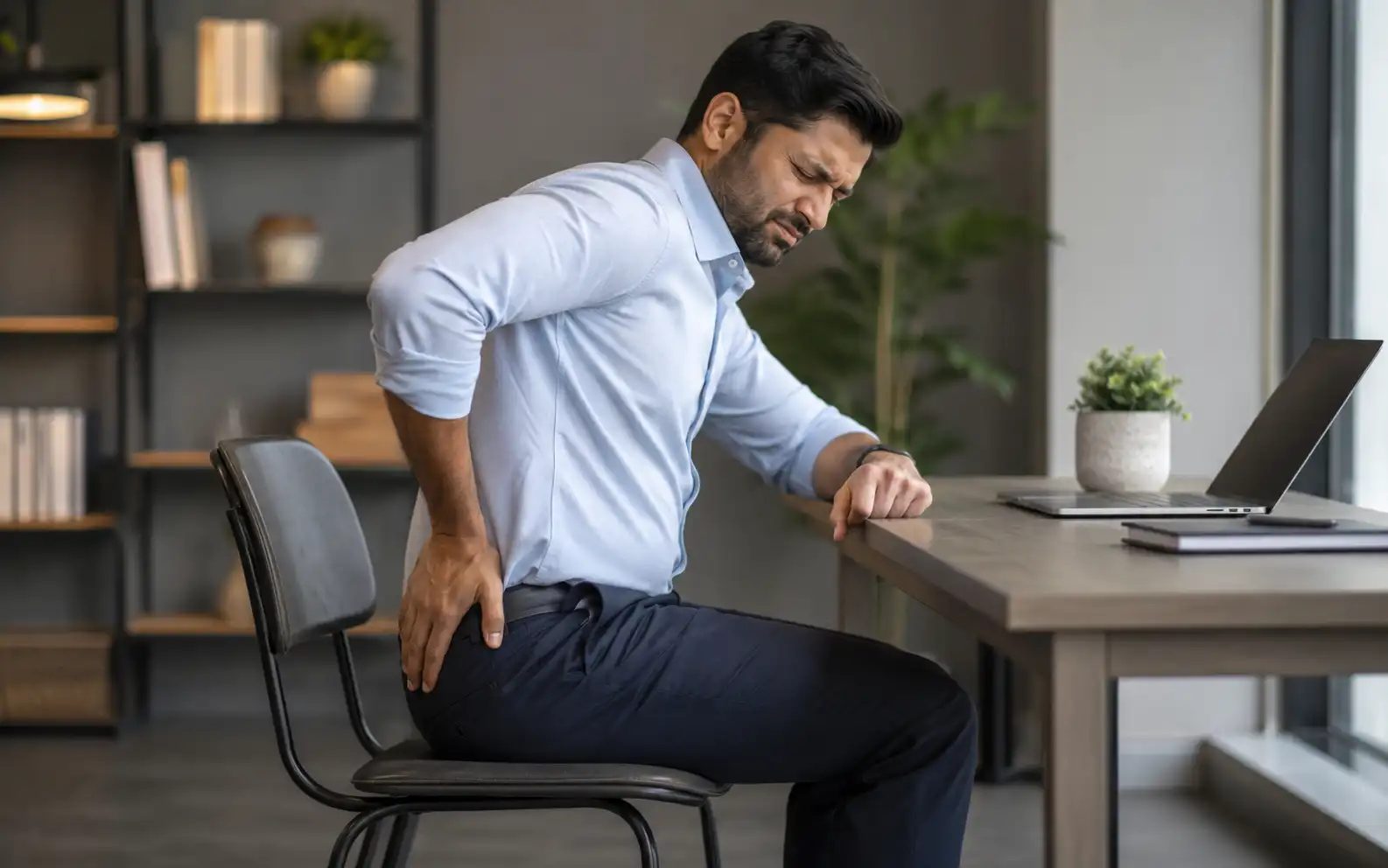 Pain While Sitting
Deep pain at the very end of the spine, worse on hard chairs, long drives or leaning backward.
Decode symptoms →
💉 Injection option
Pain While Sitting
Deep pain at the very end of the spine, worse on hard chairs, long drives or leaning backward.
Decode symptoms →
💉 Injection option Persistent Local Coccyx Pain
When cushions, medicines and physiotherapy are not enough, a targeted tailbone injection can calm the painful area.
Tailbone injection →
🎯 Deep pain
Persistent Local Coccyx Pain
When cushions, medicines and physiotherapy are not enough, a targeted tailbone injection can calm the painful area.
Tailbone injection →
🎯 Deep pain Chronic Burning Tailbone Pain
For selected chronic coccydynia patterns, a ganglion impar block targets the pain pathway near the coccyx.
Ganglion impar block →
Chronic Burning Tailbone Pain
For selected chronic coccydynia patterns, a ganglion impar block targets the pain pathway near the coccyx.
Ganglion impar block →
What Is Tailbone Pain?
Tailbone pain, medically called coccydynia, is pain arising from the coccyx — the small triangular bone at the very end of the spine. Because your body weight loads this area when you sit, even a small injury or inflammation here can feel disproportionately painful. 🪑
Many patients describe a sharp, deep, pinpoint pain at the lower end of the spine, especially on hard chairs, during long drives, while leaning backward, or when standing up from sitting. It may be linked to a fall, repeated sitting pressure, childbirth, cycling, local inflammation, coccyx mobility problems or occasionally referred pain from the lower back, sacroiliac joint or pelvic region.
The most important step is to confirm whether the pain is truly from the coccyx or coming from nearby structures. That decides whether you need cushion modification and physiotherapy, a targeted injection, a ganglion impar block, or rare surgical treatment.
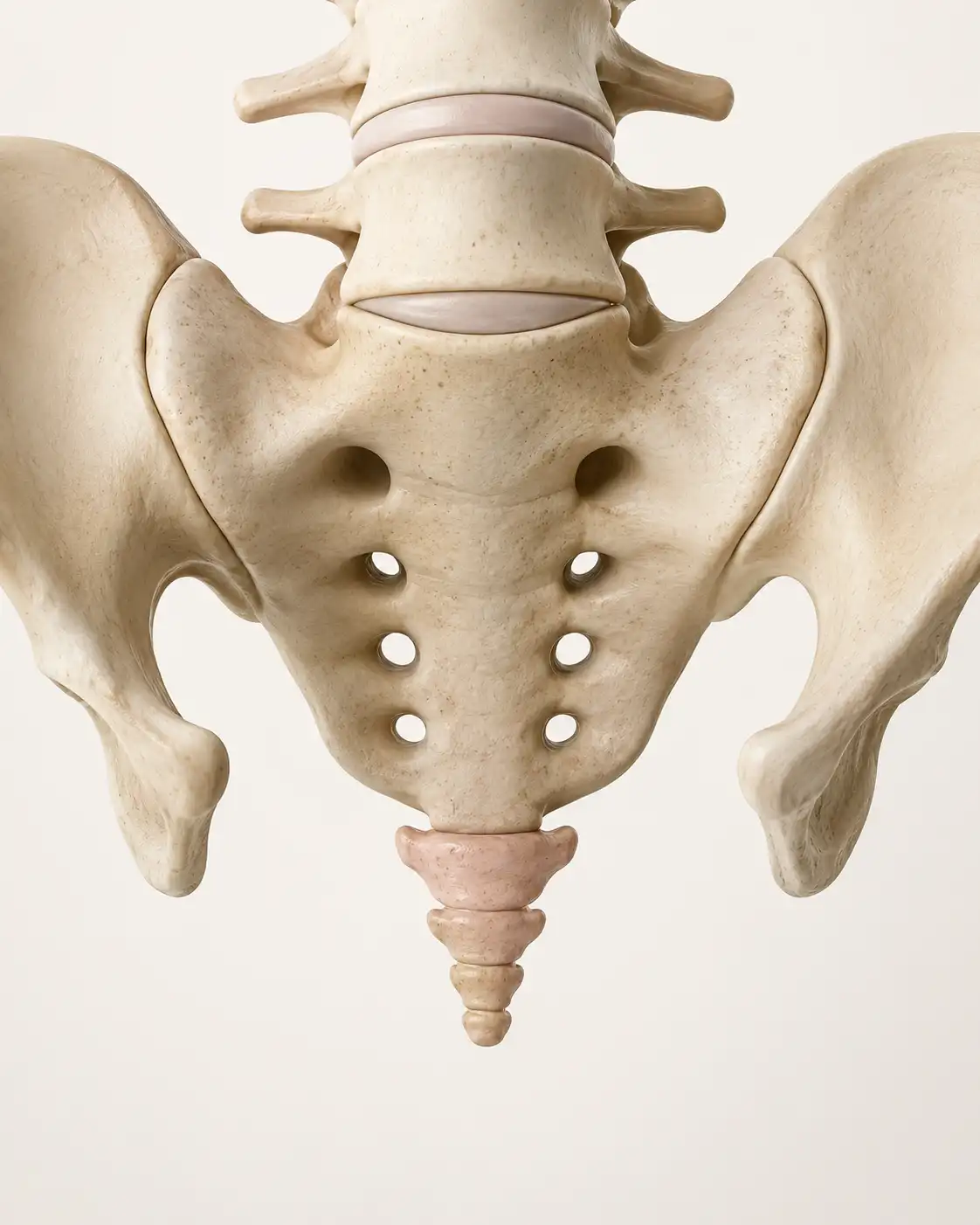
The coccyx is small — but it carries pressure every time you sit, especially on hard surfaces.
Common Causes of Tailbone Pain
Tailbone pain usually comes from direct injury, repeated sitting pressure, coccyx inflammation or abnormal movement of the coccyx. Sometimes the pain is referred from the lower back or sacroiliac joint — so clinical examination matters. 👆
Fall on the Buttocks
A direct fall can bruise the coccyx, inflame surrounding ligaments, cause subluxation or rarely produce a small fracture.
Prolonged Sitting Pressure
Hard chairs, long drives, desk work and poor sitting posture can repeatedly irritate the coccyx region.
Cycling or Repetitive Microtrauma
Repeated pressure or vibration around the tailbone can trigger coccydynia, especially when the pain builds gradually.
After Childbirth
Delivery-related strain may irritate or injure the coccyx and surrounding soft tissues, causing pain while sitting.
Coccyx Instability
In some patients, the coccyx moves too much or too little when sitting — dynamic X-rays may help identify this.
Local Inflammation
Inflamed joints, ligaments or bursae near the coccyx can create a very local, tender pain point.
Sacroiliac Joint Pain
SI joint pain can mimic tailbone pain and buttock pain; examination helps separate the two.
🧠Referred Low Back Pain
Lumbar disc, facet or nerve problems can sometimes refer pain toward the buttock and tailbone region.
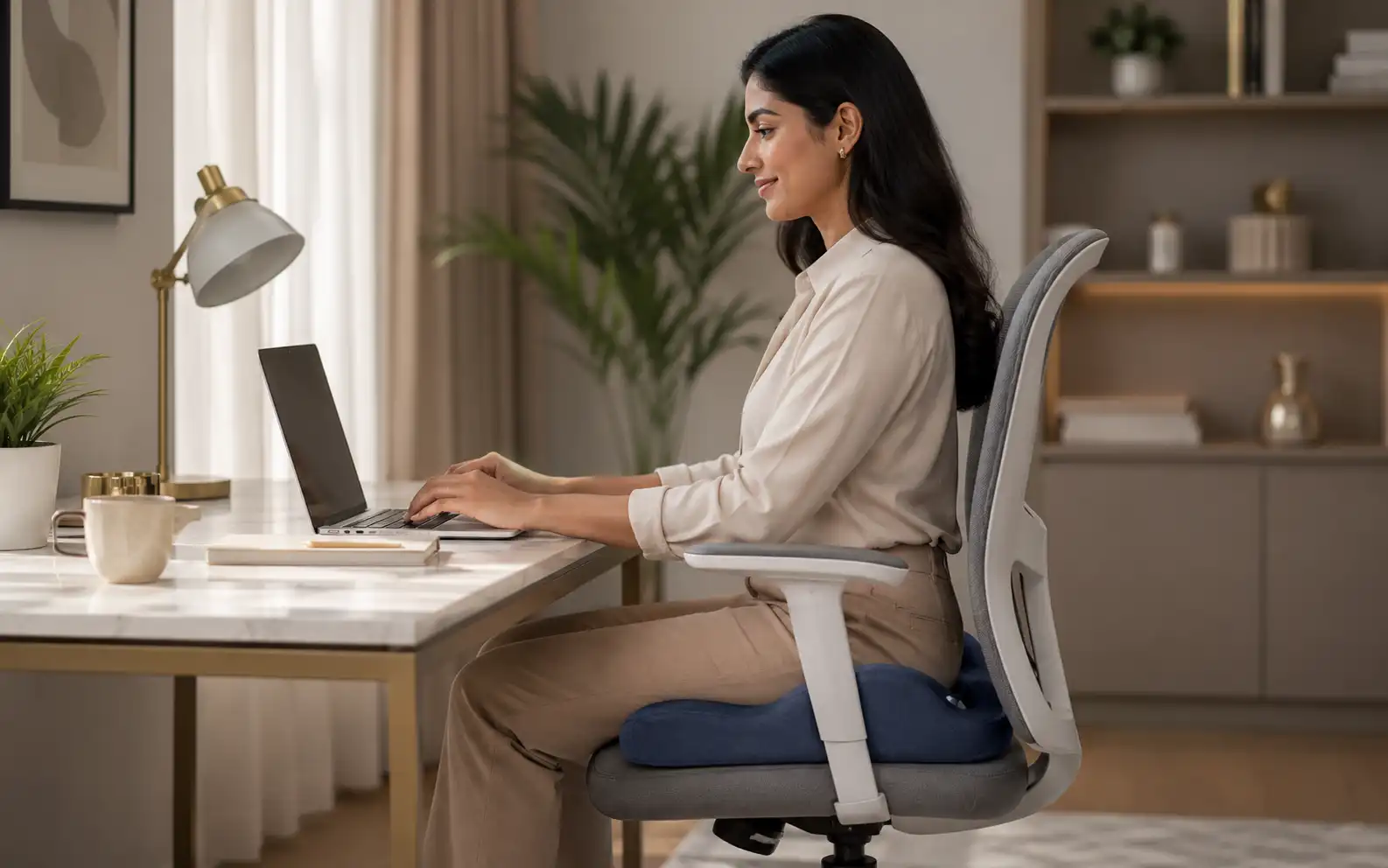
🪑 Sitting pressure
A coccyx cushion shifts pressure away from the painful tailbone during recovery.
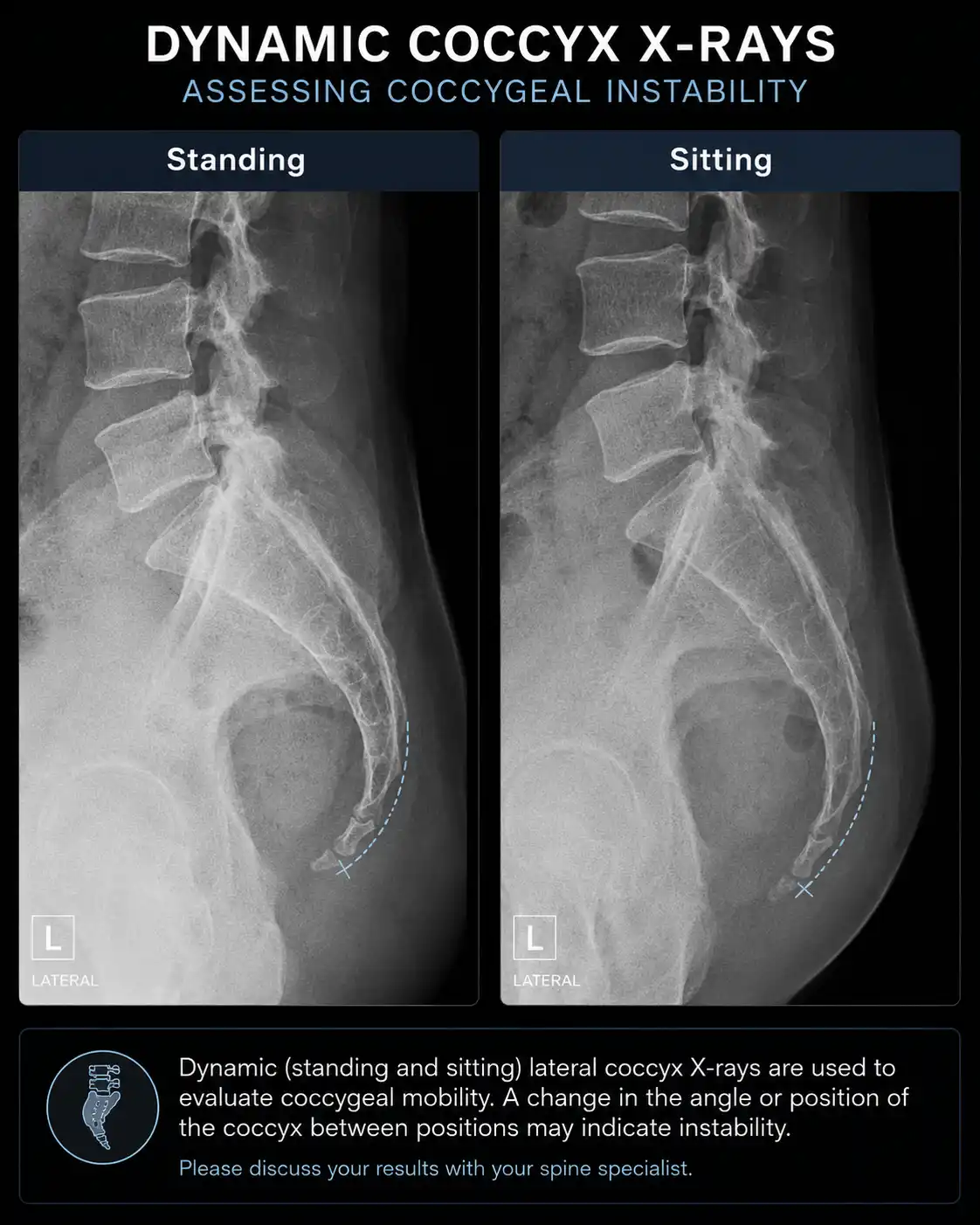
🩻 Dynamic X-ray
Standing and sitting views may show coccyx instability in selected chronic cases.

🤸 Rehab support
Physiotherapy focuses on posture, pelvic mechanics, soft tissue work and safe return to sitting.
Tailbone Pain Symptoms — What Is Yours Telling You?
Tailbone pain has a characteristic pattern, but nearby spine, SI joint and pelvic problems can copy it. Match your symptom pattern before choosing treatment. 👇
Pinpoint Pain at the End of Spine
A deep, local pain exactly over the tailbone is the classic coccydynia pattern.
Classic signPain Worse on Sitting
Hard chairs, long drives and leaning backward usually worsen true tailbone pain.
Common triggerPain When Getting Up
Pain while rising from a chair can suggest coccyx movement sensitivity or local inflammation.
Movement clueButtock-Side Pain
Pain slightly to one side may come from the sacroiliac joint or lower back rather than the coccyx.
Different source?Pain Travelling Down the Leg
Shooting pain below the knee suggests sciatica or nerve irritation — not simple tailbone pain.
Nerve clueNight Pain, Fever or Swelling
Unusual pain patterns, infection signs or unexplained weight loss need early specialist assessment.
Red flag💡 Tip: if you cannot sit through work, travel or meals despite cushions and medicines, it is worth checking whether a tailbone injection or ganglion impar block is appropriate.
When to See a Tailbone Pain Specialist in Chennai
Mild tailbone pain after a minor strain may settle with sitting modification. These signs need proper assessment so the pain source is not missed. ⏱️
Tailbone pain after a fall or accident
Unable to sit comfortably for work or travel
Pain lasting more than 2–3 weeks despite care
Pain travelling down the leg with numbness or weakness
Night pain, fever, swelling or unexplained weight loss
Repeated flare-ups after temporary relief
⏰ Persistent sitting pain deserves a focused diagnosis
Tailbone pain is often very treatable once the exact trigger is confirmed. Persistent sitting pain, pain after injury, radiating leg symptoms, fever, swelling or unexplained night pain should not be ignored. 📞 Call +91 90809 68066 for a priority appointment.
Why Chennai Trusts Dr. Soma Sundar
Experienced hands, international training, and a philosophy that always starts with the least invasive treatment that can genuinely help you. View doctor profile.

15+ Years of Experience
Over fifteen years dedicated to spine and orthopaedic care, from everyday back pain to complex spinal conditions.
Internationally Trained
Fellowship training in Germany, Switzerland and the UK — FESS, FMISS, FAOS and the AO Spine Fellowship.
4.9 · 500+ Google Reviews
Consistently rated 4.9 by more than five hundred patients across both Chennai clinics.
FRCS & Gold Medallist
FRCS (Glasgow, UK) certified, MS Orthopaedics Gold Medallist, DNB and MNAMS qualified.
Non-Surgical First
Advanced pain management, injections and physiotherapy are always explored before surgery is considered.
Two Chennai Locations
Kauvery Hospital, Alwarpet (mornings) and Shens Hospital, Ashok Nagar (evenings) — six days a week.
How Tailbone Pain Is Diagnosed
Good coccydynia treatment starts by confirming that the pain truly comes from the coccyx — and not from the lumbar spine, sacroiliac joint, hip or pelvic region.
Symptom Pattern Review 🗺️
We check whether pain is local to the coccyx, worse on sitting, triggered by a fall, or associated with leg symptoms.
Focused Clinical Examination 🔦
The tender point, sitting posture, lower back, SI joint, hip and neurological signs are assessed to avoid treating the wrong source.
X-ray, Dynamic Views or MRI When Needed 🩻
Imaging is used selectively — especially after trauma, persistent pain, suspected instability or unusual warning signs.
Clear, Stepwise Plan 🪜
You leave knowing whether cushion care, physiotherapy, injection, ganglion impar block or rare surgery is the sensible next step.
Dynamic X-rays can help in selected patients where coccyx movement is suspected to be the pain source.
Tailbone Pain Treatment Options — Simplest First
Dr. Soma Sundar follows a stepwise approach: unload the coccyx, calm inflammation, rebuild sitting tolerance, then use targeted procedures only when needed. Most patients improve without surgery. ✅
Unload the Coccyx 🪑
Cushion + sitting changesA coccyx cut-out cushion, posture correction, activity modification and short-term medicines settle many flares.
- Avoid hard-chair pressure
- Short sitting breaks
- Cushion fitted to your pattern
Rebuild Sitting Tolerance 🤸
Physiotherapy + pelvic mechanicsTherapy focuses on hip mobility, pelvic control, posture, soft tissue tightness and graded return to sitting.
- Pelvic posture retraining
- Hip and core support
- Safe movement guidance

Target Persistent Pain 💉
Tailbone injection / ganglion impar blockImage-guided procedures can calm inflammation or pain pathways when pain persists despite good conservative care.
- Precise image guidance
- Day-care procedure
- Diagnostic + therapeutic benefit
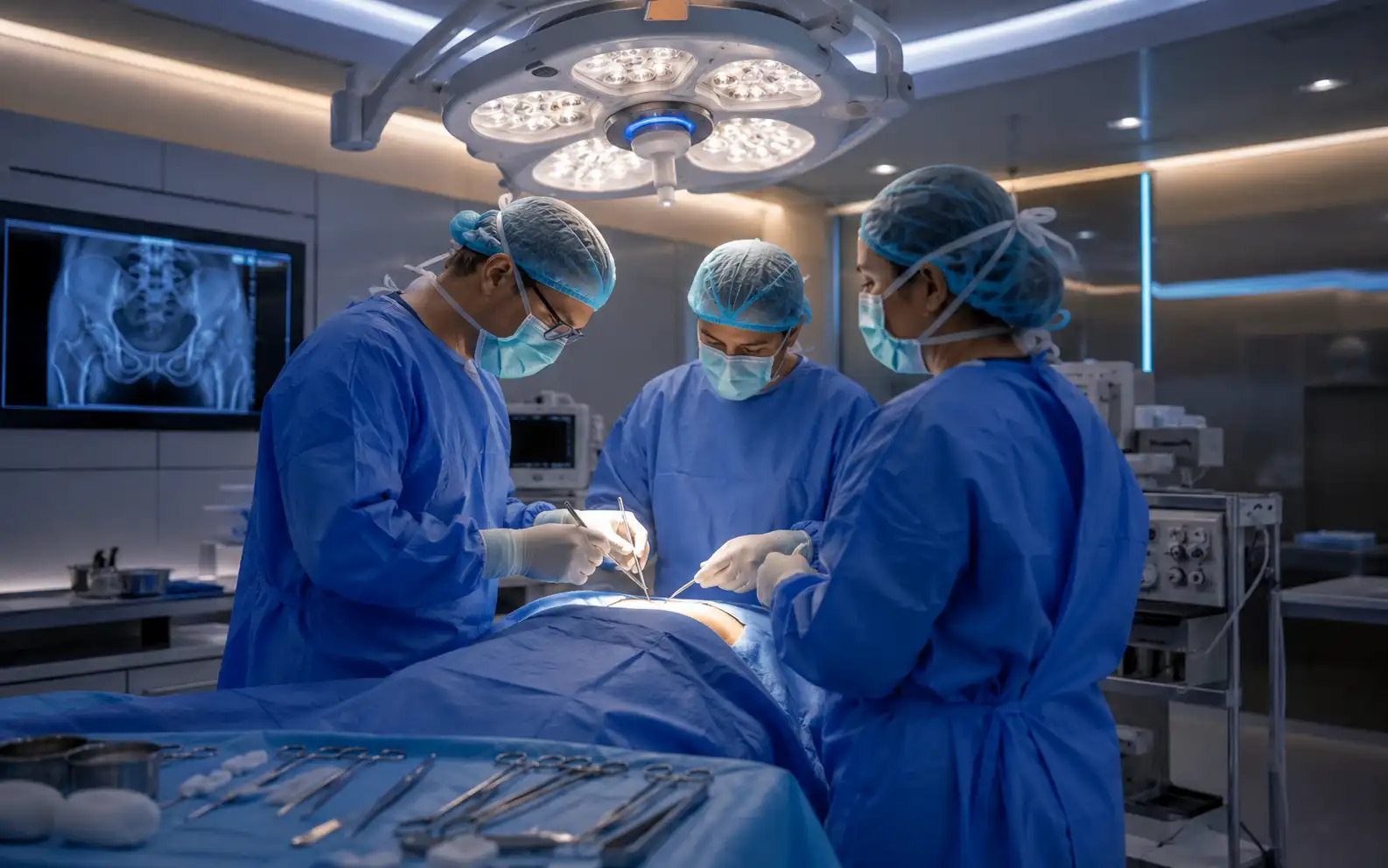
Rare Surgery Only 🔬
Coccygectomy in selected casesSurgery is reserved for severe, confirmed, chronic coccyx-source pain after non-surgical and injection options fail.
- Careful patient selection
- Confirmed coccyx source
- Detailed counselling first
Cushions, Posture & Physiotherapy for Tailbone Pain
Non-surgical care is the first step for most tailbone pain. The goal is to remove pressure, calm sensitivity and gradually restore sitting tolerance. 👇
Coccyx Cut-Out Cushion
Unloads pressure directly from the tailbone while keeping the pelvis supported during sitting.
Sitting Posture Correction
Small changes in chair height, pelvic tilt and leaning angle can reduce repeated coccyx irritation.
Coccydynia Physiotherapy
Hip mobility, pelvic control, core support and soft tissue work help the region tolerate load again.
Travel & Driving Advice
Seat angle, cushion choice and break timing are adjusted for long commutes and office work.
Scan Report Review
Understand whether the X-ray or MRI finding matches your pain before choosing a procedure.
A coccyx cut-out or wedge cushion usually works better than simply adding a soft pillow.
Stand briefly every 20–30 minutes during a flare instead of pushing through long sitting.
Use seat support and avoid leaning backward directly onto the painful point.
Hard chairs, cycling and floor sitting may need temporary reduction until pain calms.
🏠 Can’t travel for physiotherapy? Home-visit physiotherapy is available across Chennai. Guided sessions at your home for spine, tailbone and joint rehabilitation.
📞 Physio Home Visits · +91 98403 45335Injection Treatment for Tailbone Pain
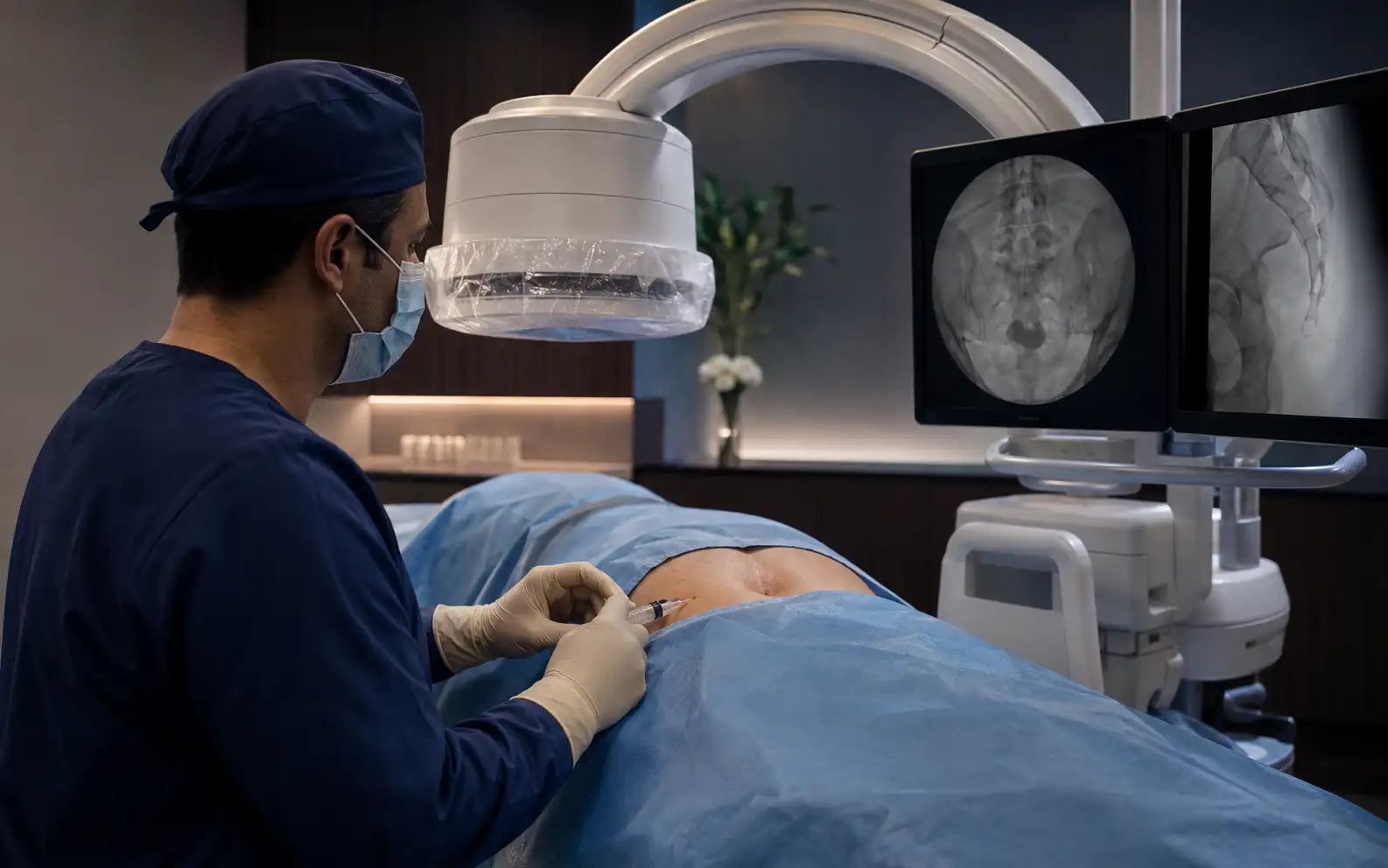
Injections work best when the coccyx is confirmed as the true pain source.
When tailbone pain persists despite cushions, activity changes, medicines and physiotherapy, a targeted image-guided injection can reduce inflammation around the coccyx and help break the pain cycle. 🎯
Depending on the pain pattern, treatment may involve a tailbone injection around the painful coccyx region or a ganglion impar block for selected chronic, deep or burning coccydynia patterns. These are usually day-care procedures and are planned only after clinical correlation.
When Is Surgery Needed for Tailbone Pain?
Surgery for tailbone pain is uncommon. It may be considered only when pain is severe and long-lasting, the coccyx is clearly confirmed as the source, and structured non-surgical care plus appropriate injections have failed.
The operation is called coccygectomy, which means removing the painful coccyx. It is not a first-line treatment. The decision needs careful discussion about diagnosis, expected benefit, wound healing concerns and recovery timeline. 🤝
Reserved for carefully selected chronic cases where the coccyx is proven to be the pain source.
⚖️ Balanced treatment principle
A painful coccyx does not automatically mean injection or surgery. Good tailbone pain care means confirming the source, unloading the area first, using targeted procedures only when appropriate, and reserving surgery for rare, proven cases.
Tailbone Pain — Frequently Asked Questions
What Tailbone Pain Patients Say
I could not sit through my office work after a fall. The pain source was explained clearly, and cushion changes plus physiotherapy helped me return to work comfortably.
★★★★★Long drives were impossible because of tailbone pain. Dr. Soma checked my X-ray, explained the coccyx problem and gave a stepwise plan without rushing me into a procedure.
★★★★★I had pain every time I stood up from a chair. The targeted tailbone injection gave excellent relief and made physiotherapy much easier to continue.
★★★★★My scan was normal elsewhere but the sitting pain continued. The clinical examination identified the coccyx tenderness exactly, and the treatment finally made sense.
★★★★★After childbirth I had persistent tailbone pain. I appreciated the gentle explanation, practical sitting advice and physiotherapy support.
★★★★★The ganglion impar block was explained in simple language and done as a day-care procedure. My chronic burning pain reduced significantly.
★★★★★I was worried about tailbone surgery. The doctor reassured me that surgery is rare and started with conservative care first, which worked for me.
★★★★★Home physiotherapy helped because travelling itself was painful. The physio visits and sitting modifications made recovery manageable.
★★★★★I consulted by video from Madurai and shared my reports on WhatsApp. The plan was practical and I could start treatment locally with clear guidance.
★★★★★Explore More Spine Care
Expert Spine Advice, From Wherever You Are
Can’t travel to Chennai, or want a specialist opinion before deciding your next step? Consult Dr. Soma Sundar over a secure video call — and let your whole family join and ask questions.

-
Consult from anywhere
Connect from home, another city, or abroad — no travel needed for an expert opinion.
-
Reports & MRI — optional
You can share scans in advance on WhatsApp if you have them, or simply talk first. Both work.
-
Clear next steps
Leave the call knowing what your condition is, what to try first, and when a clinic visit is truly needed.
Book a Video Consultation
Message us on WhatsApp with your name and a short note about your problem — our team will confirm a convenient slot.
Especially useful for- Outstation and overseas patients — and their families
- A second opinion before agreeing to spine surgery
- Understanding an MRI or scan report in plain language
- Follow-up reviews after surgery or injections
- Elderly patients who find travelling difficult
📎 Sending scans or MRI in advance is optional — many patients simply describe their problem and share reports later if needed.
Explore SundarSpine
Everything on this site, organised the way patients think — conditions, treatments, physiotherapy, home exercises and free resources.